
ICLR Guelph Basement Flood Lab
GUELPH, ONTARIO: FEBRUARY 2019
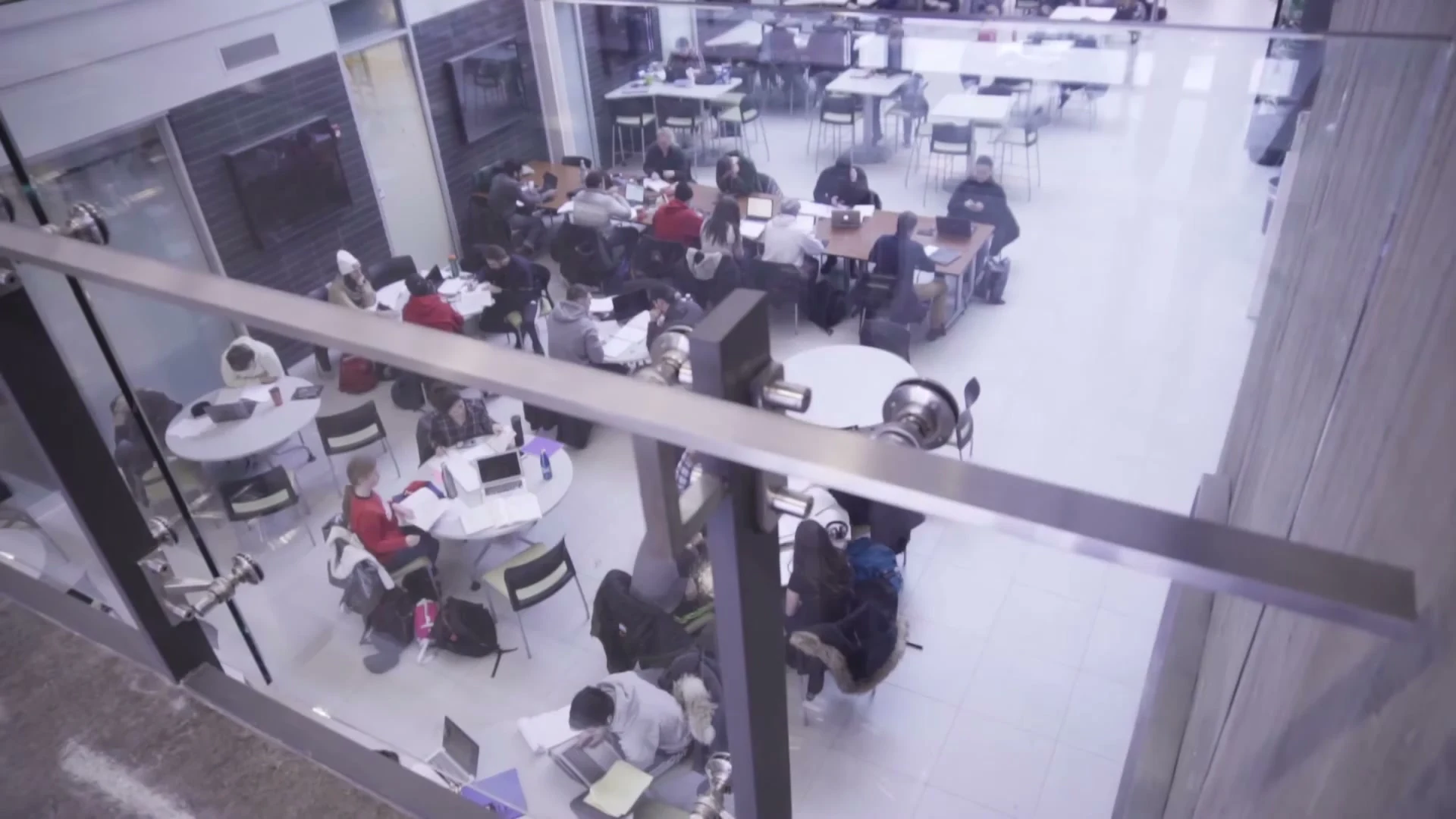
ICLR and the University of Guelph run a flood lab where researchers can put a house under controlled water and watch what fails first. In February 2019 we spent two days between that lab and the Guelph wastewater treatment plant, and came back with two films.
University of Guelph, Guelph, Ontario
Two days in February, in Guelph, with a crew of two. That is the whole job: Bryan Bakker directing, producing and running sound, and Kim Urquhart on camera. No second unit, no grip truck, no client minder standing behind the monitor. A car, a camera, a microphone and two locations.
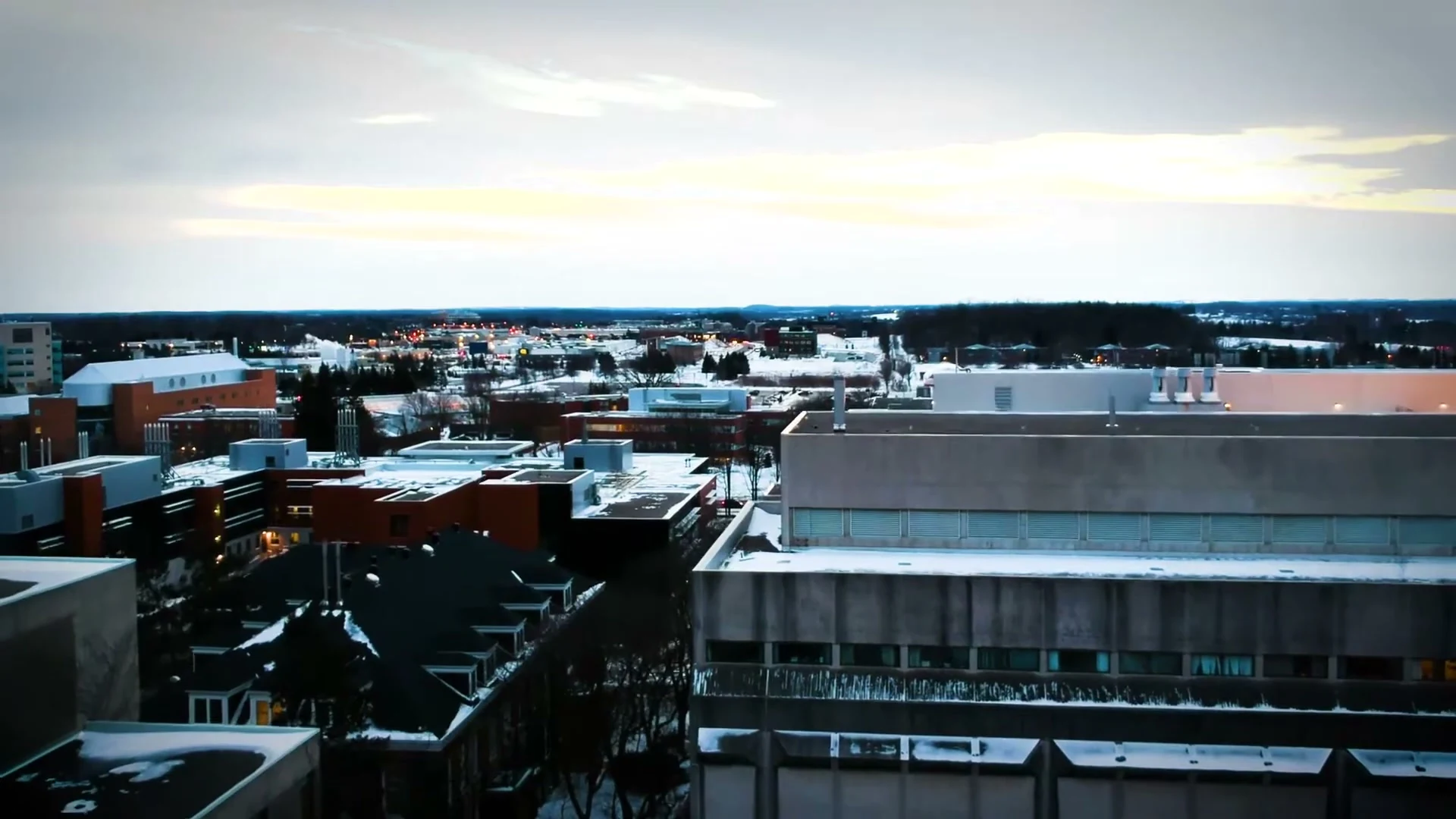
The first day started at the University of Guelph on Stone Road, and the second started at the Guelph Wastewater Treatment Plant on Wellington Street and worked back to the university. Two facilities that normally never see each other, filmed inside forty-eight hours because the argument needs both of them.
The weather was February. Flurries both days, a high of minus four and a low of minus eleven, sunrise at seven and sunset just after six. Everything you see in the film was shot in that, and the outdoor material had to be got while there was still light to get it in.
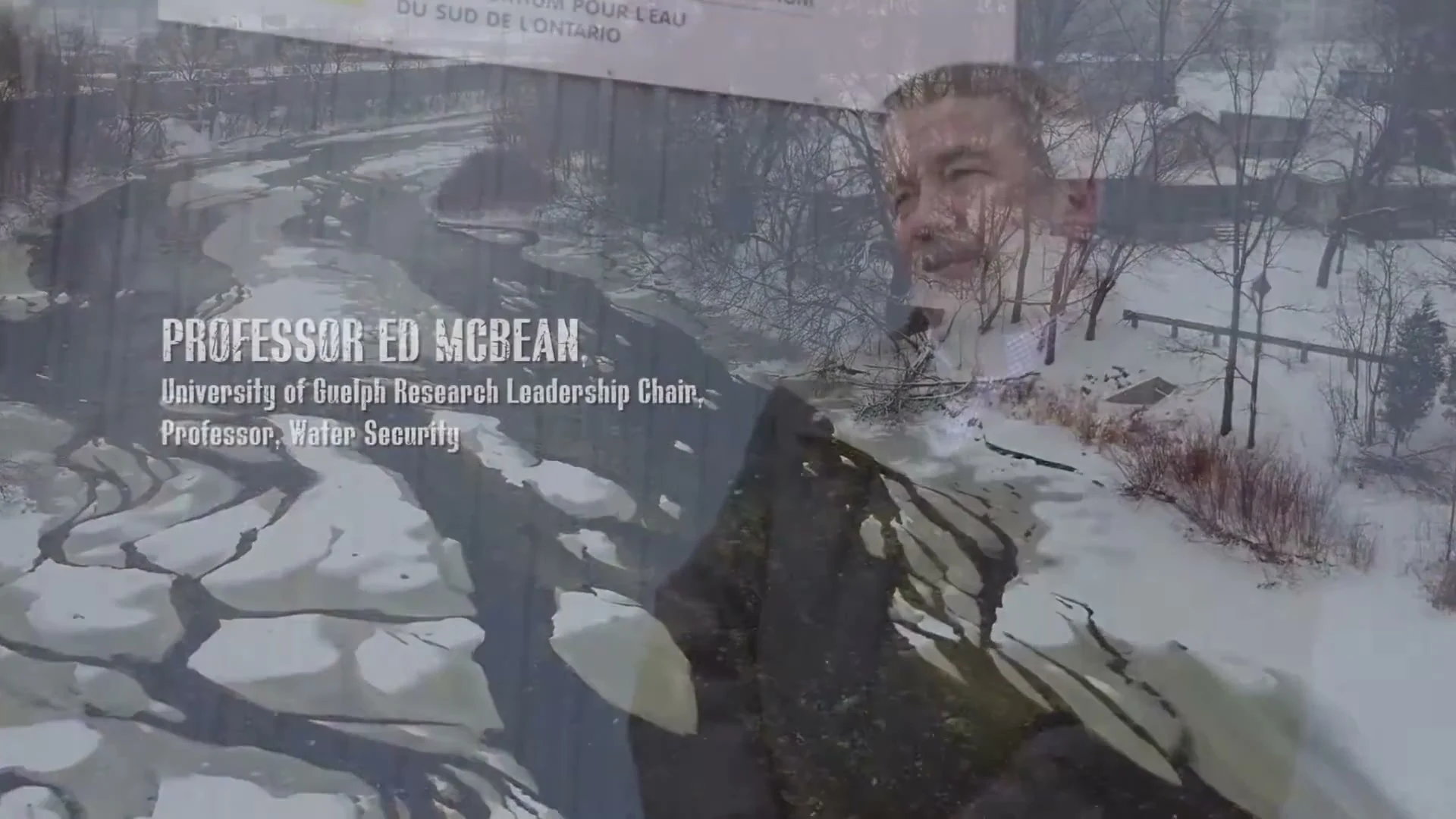
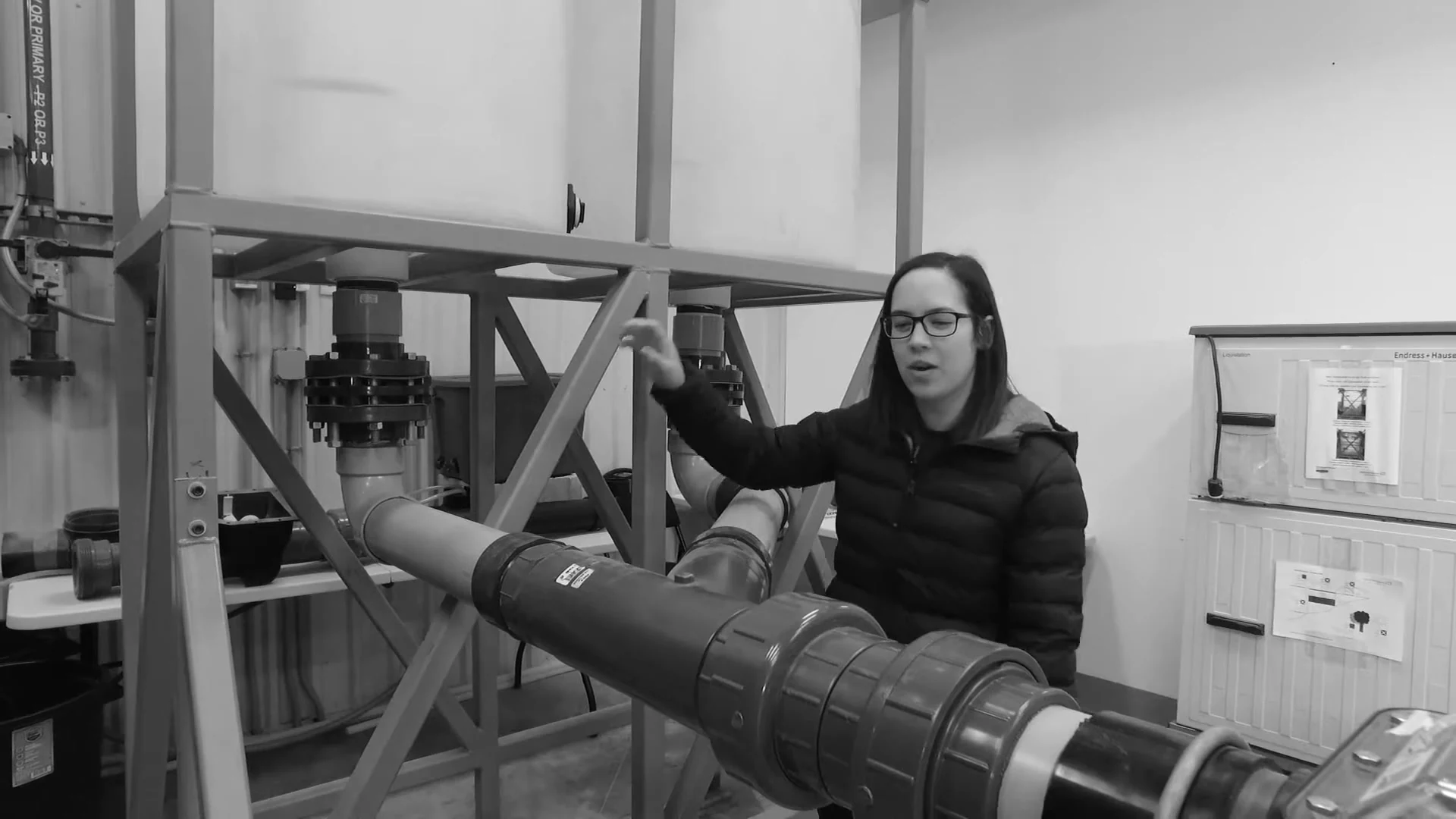
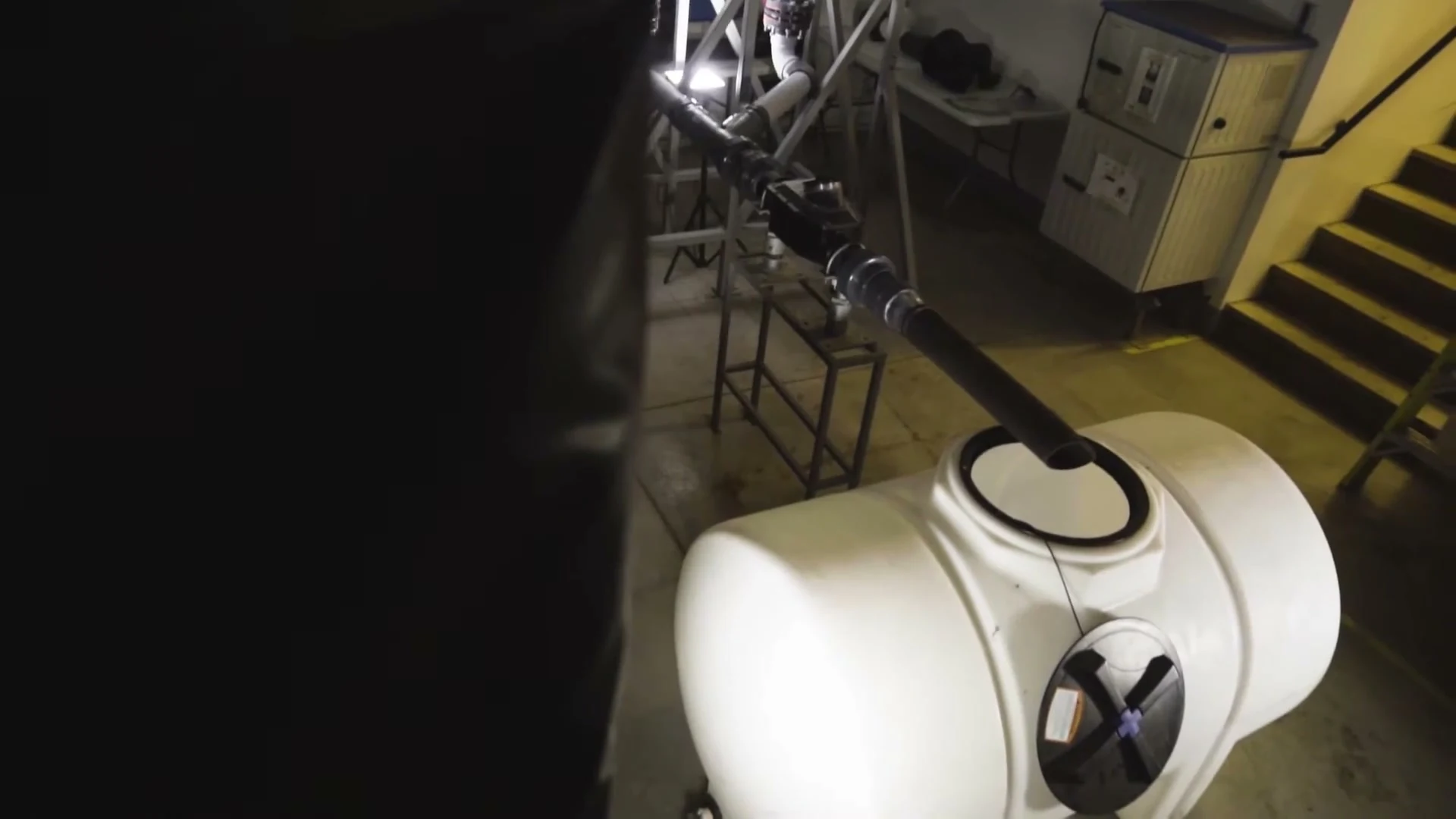
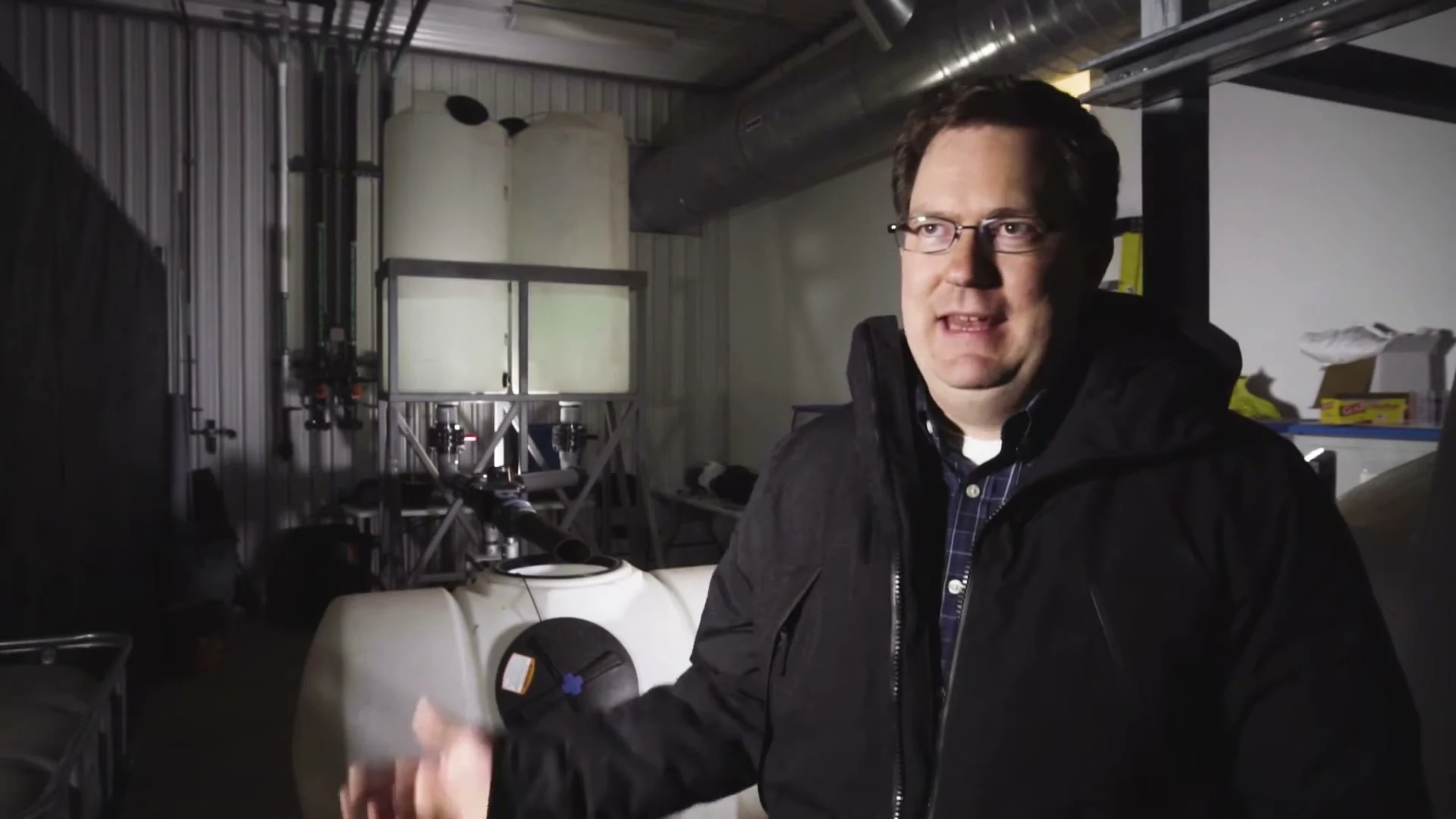
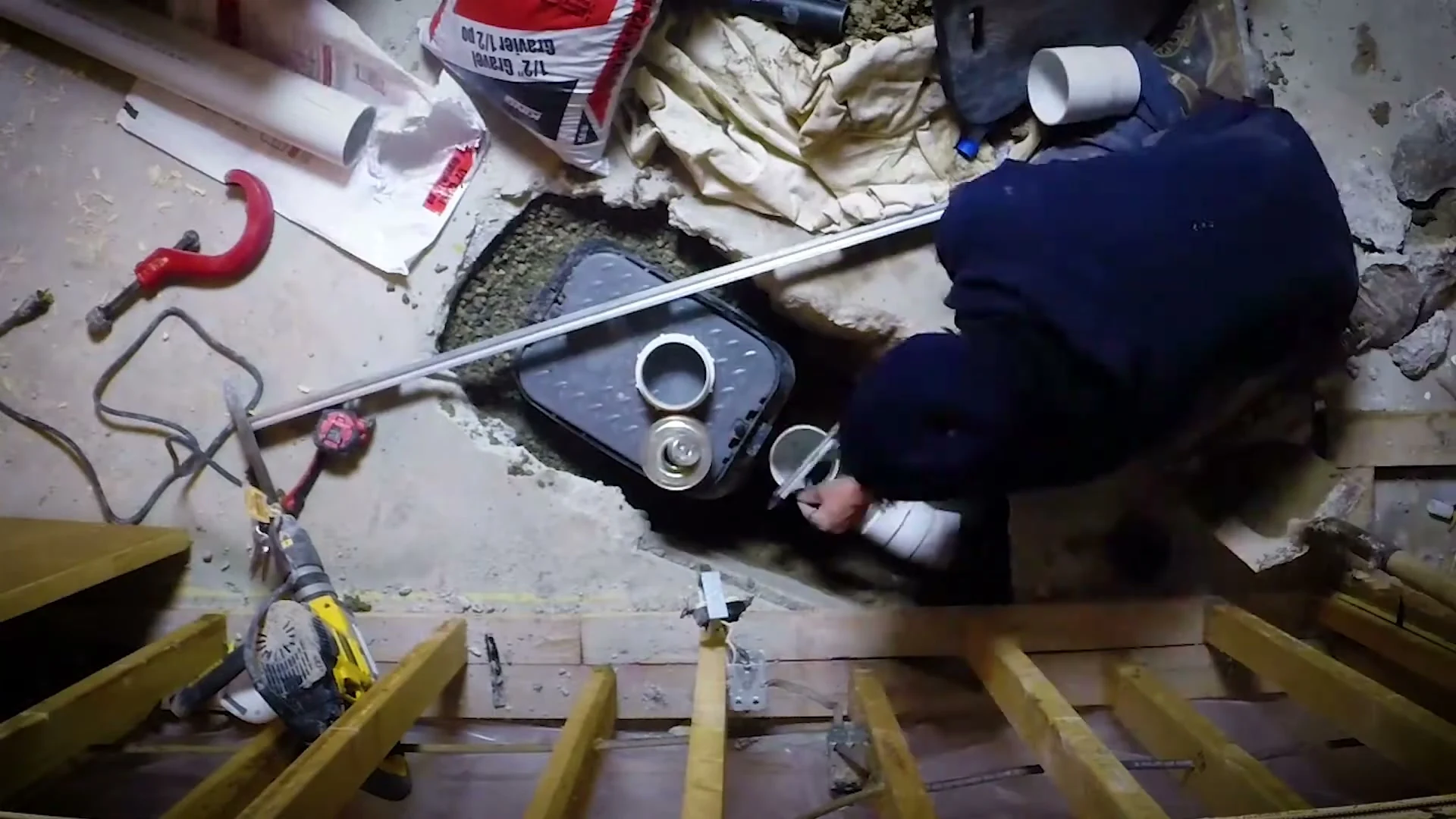
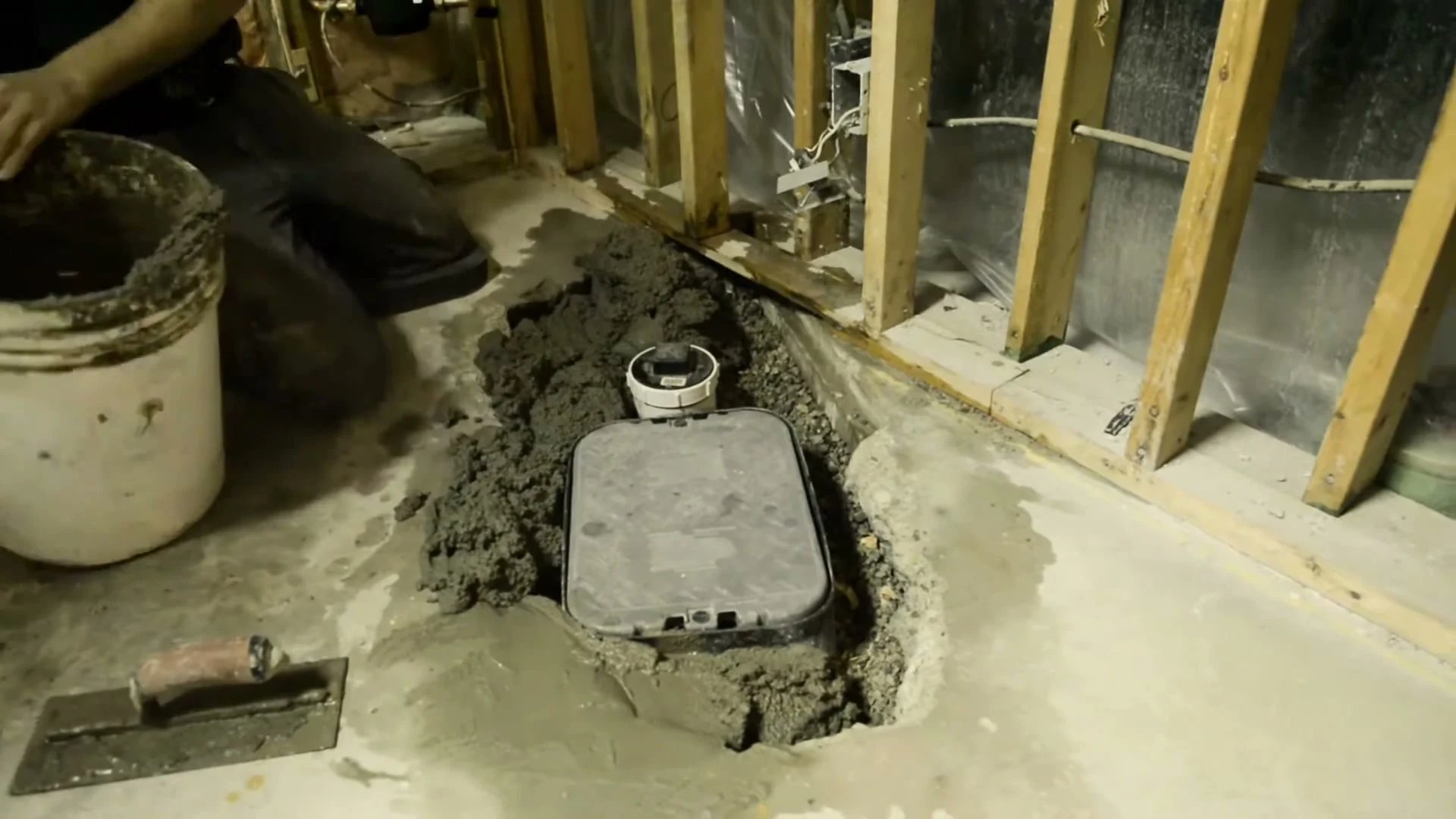
What the film is about is water, and specifically the water that ends up in somebody’s basement. The University of Guelph runs a flood lab where researchers can put a house under controlled water and watch what happens to it — where it comes in, what stops it, what fails first. The treatment plant is the other half of the same story: the city’s side of the pipe, the part a homeowner never sees and usually blames.
Putting those two in one film is the whole idea. A basement flood is not one event. It is a chain that runs from a storm, through a sewer system, past a backwater valve, under a foundation, into a room with a carpet in it. Most homeowners only ever see the last link, and they see it at two in the morning.
The paperwork tells the same story. There is a location agreement with the university in the job folder, a second one with the treatment plant, and a music folder carrying eighty-five cues — this was a scored film, not a run-and-gun. None of that shows on screen. All of it is the reason two days was enough.
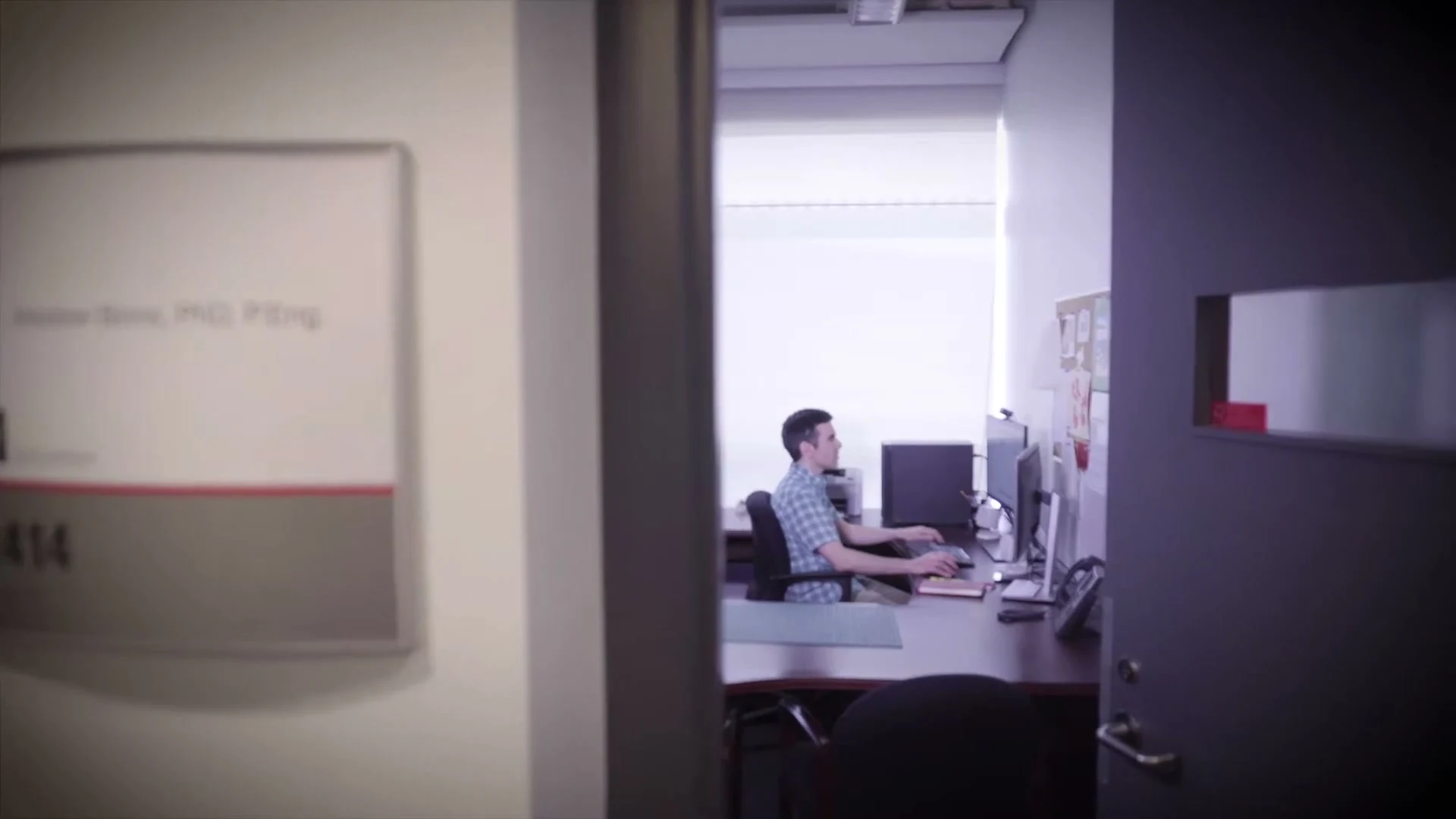
Two films came out of those two days, and they are the two on this page. Both are built around the people who do the work rather than a narrator — researchers and plant staff explaining what they are testing and why, standing in a facility that exists to be flooded on purpose.
Two people, two days, two locations. It is not a big production and it was never meant to be. It is the kind of job where the only thing that matters is whether the camera was in the right place when the water did what the researcher said it would do.
The footage is all still here — four cameras’ worth, the main unit plus a second body, a gimbal and a drone, February 2019, in the ICLR archive. The films are on our own channel. The rest of it is what a two-day shoot looks like when nobody is there to make it look bigger than it was.
DIRECTOR / PRODUCER / AUDIO · BRYAN BAKKER
Both films are published on our own channel. We can show where they live; the record does not attest what is in them.
Images