ICLR Phoenix Project
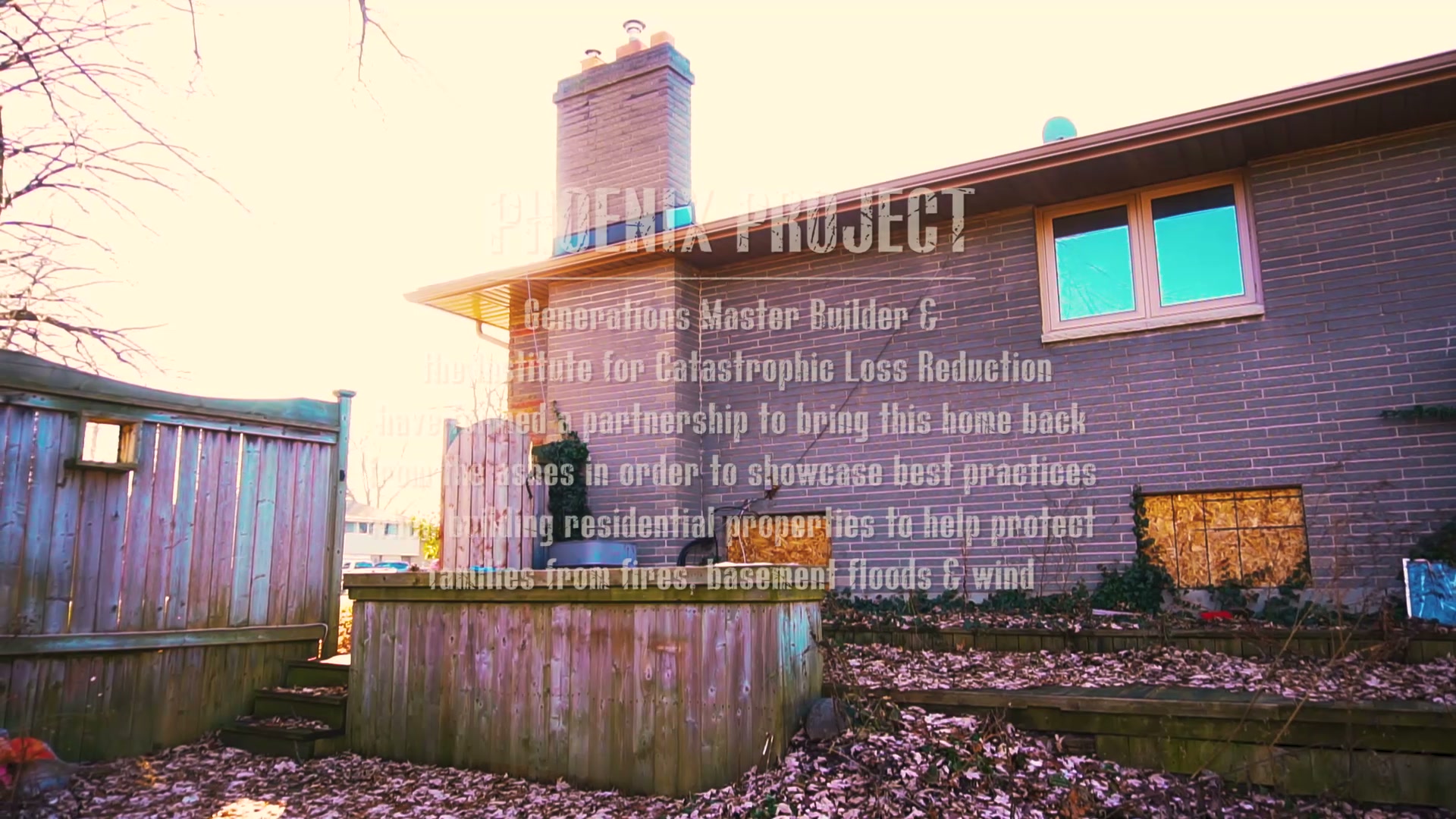
The Phoenix Project is ICLR’s demonstration rebuild with Generations Master Builder — a fire-damaged home taken apart and put back together to a standard the code does not require yet, filmed across ten months.
ICLR Phoenix Project, Sarnia, Ontario
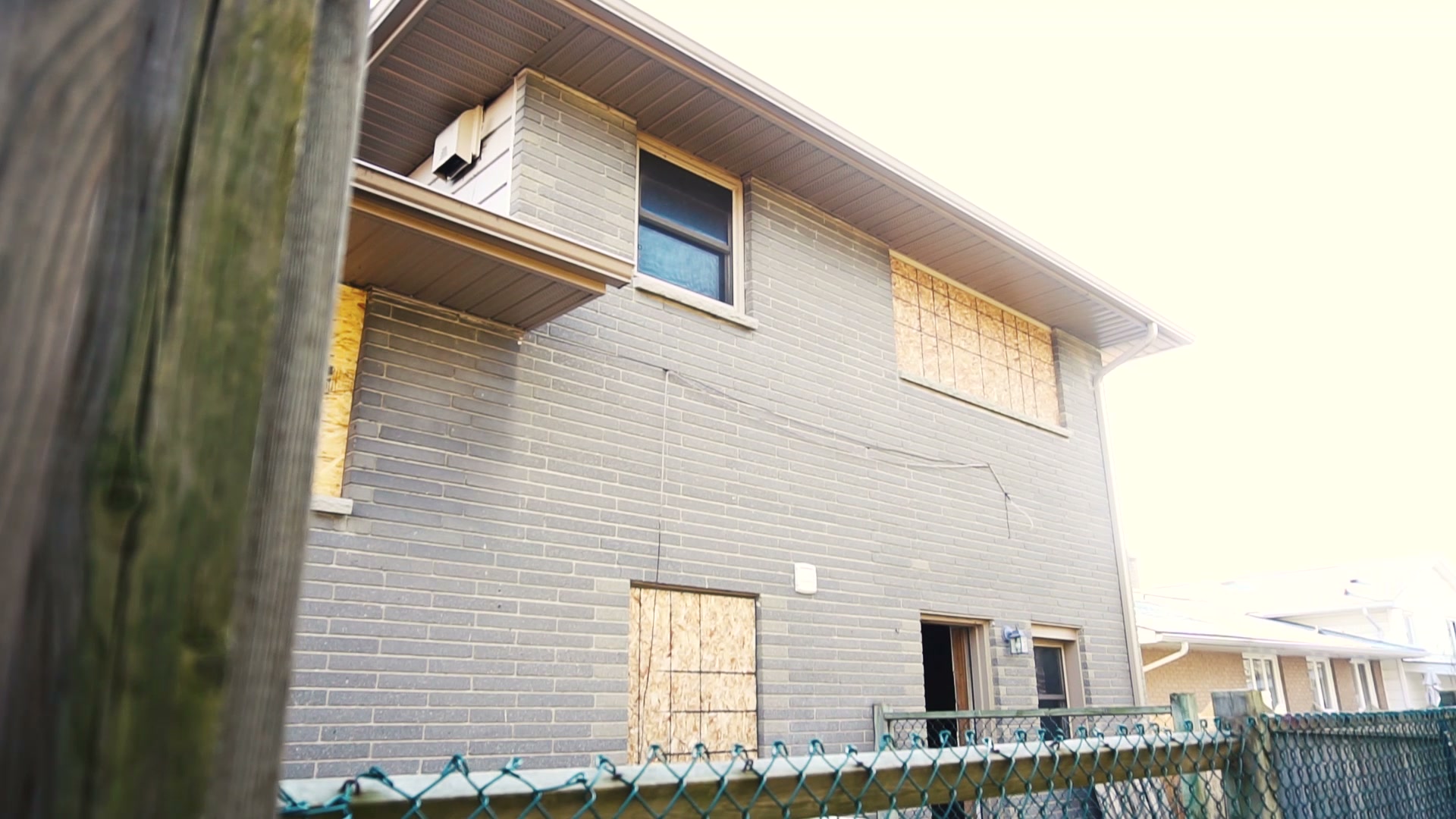
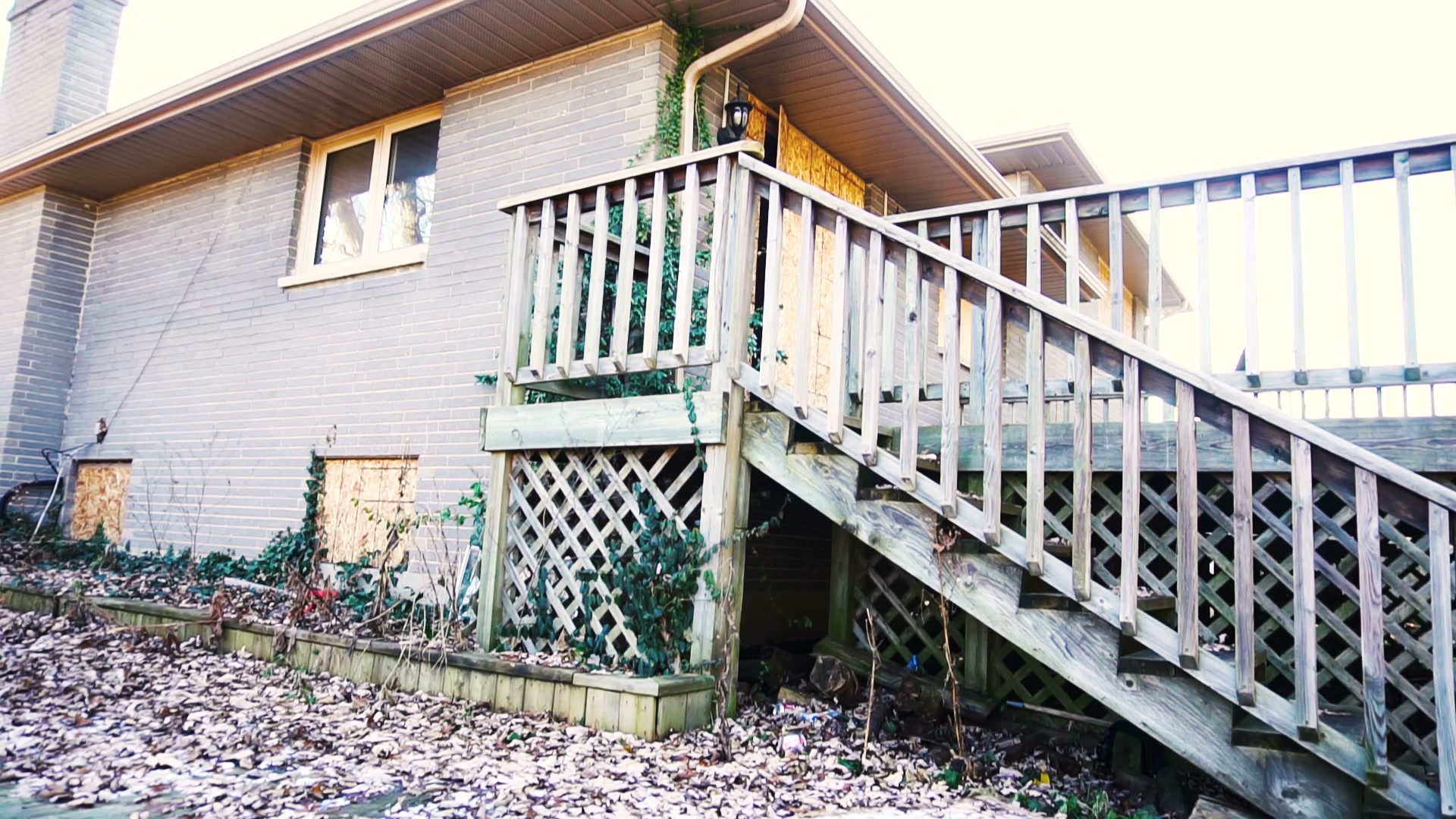
In December 2018 a house in Sarnia burned. The family was away on a day trip. A neighbour called the fire department and the crew got there before the fire took the whole building. Two of the family’s pets were in it, and did not get out.
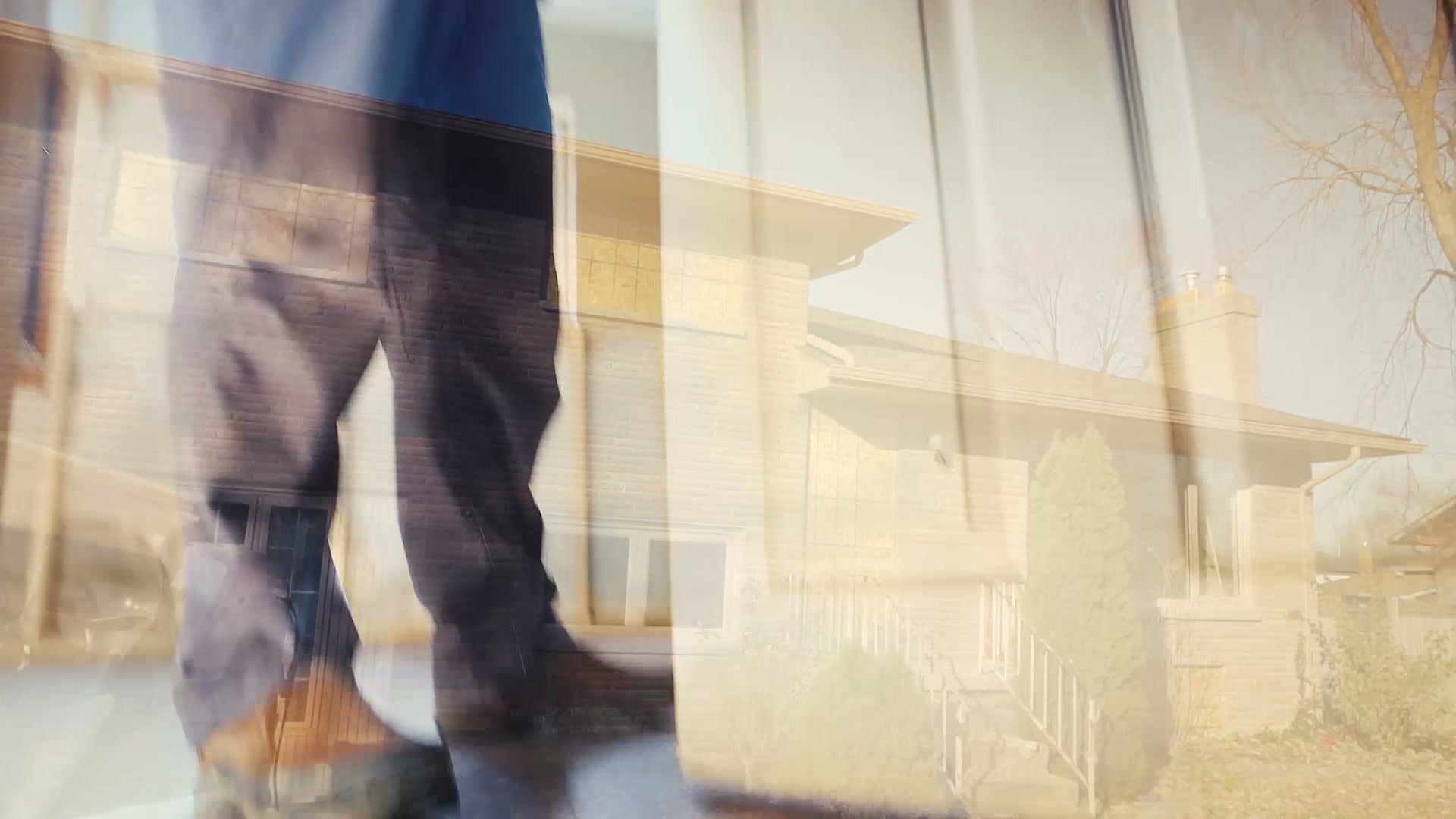
Murray Pound owns Generations Master Builder. He bought the property and went to the Institute for Catastrophic Loss Reduction with a proposition: rebuild the house past the code it had been built under, and let it be filmed, so people could see what a resilient house actually is. They called it the Phoenix Project. Rising from the ashes, and building something better.
The first film opens in the room he walked into first, where the dining table still was and the family’s things were still where they had left them. That is the point of starting there. Everything after it is what happens behind the paint and behind the drywall — the part of a rebuild nobody photographs and everybody ends up living inside.
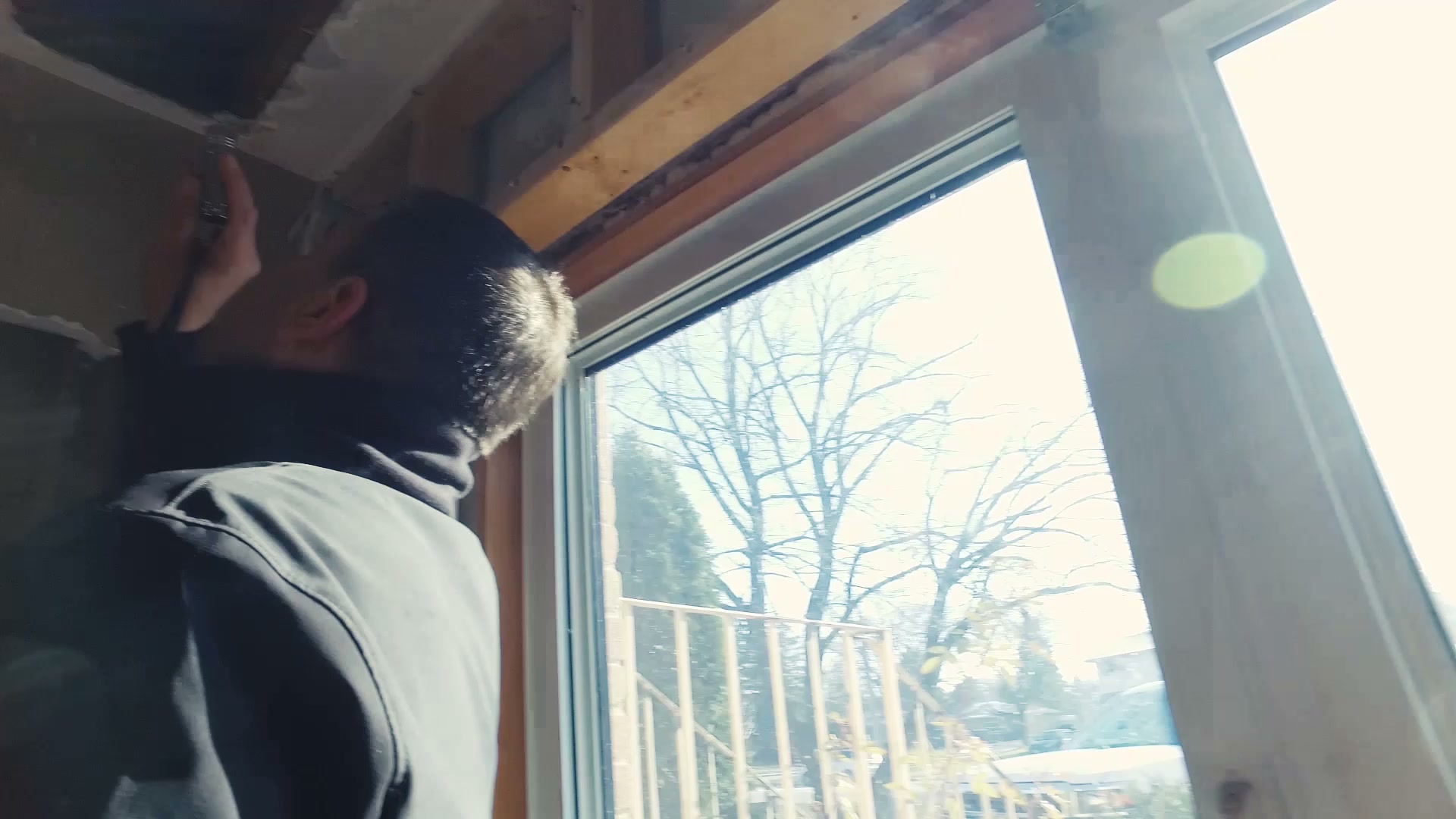
The rebuild took three to four months. Hardwired smoke alarms with battery backup in every room. Extra drywall layered over the walls and beams that matter, so a fire has to work harder and the people inside get longer to get out. Hurricane clips on the roof trusses, so wind has to do more than lift an edge. A sump pump basin to keep the basement dry when the storm sewer backs up — and a backwater valve on the list, which is the one item that did not happen, and the second film explains why.
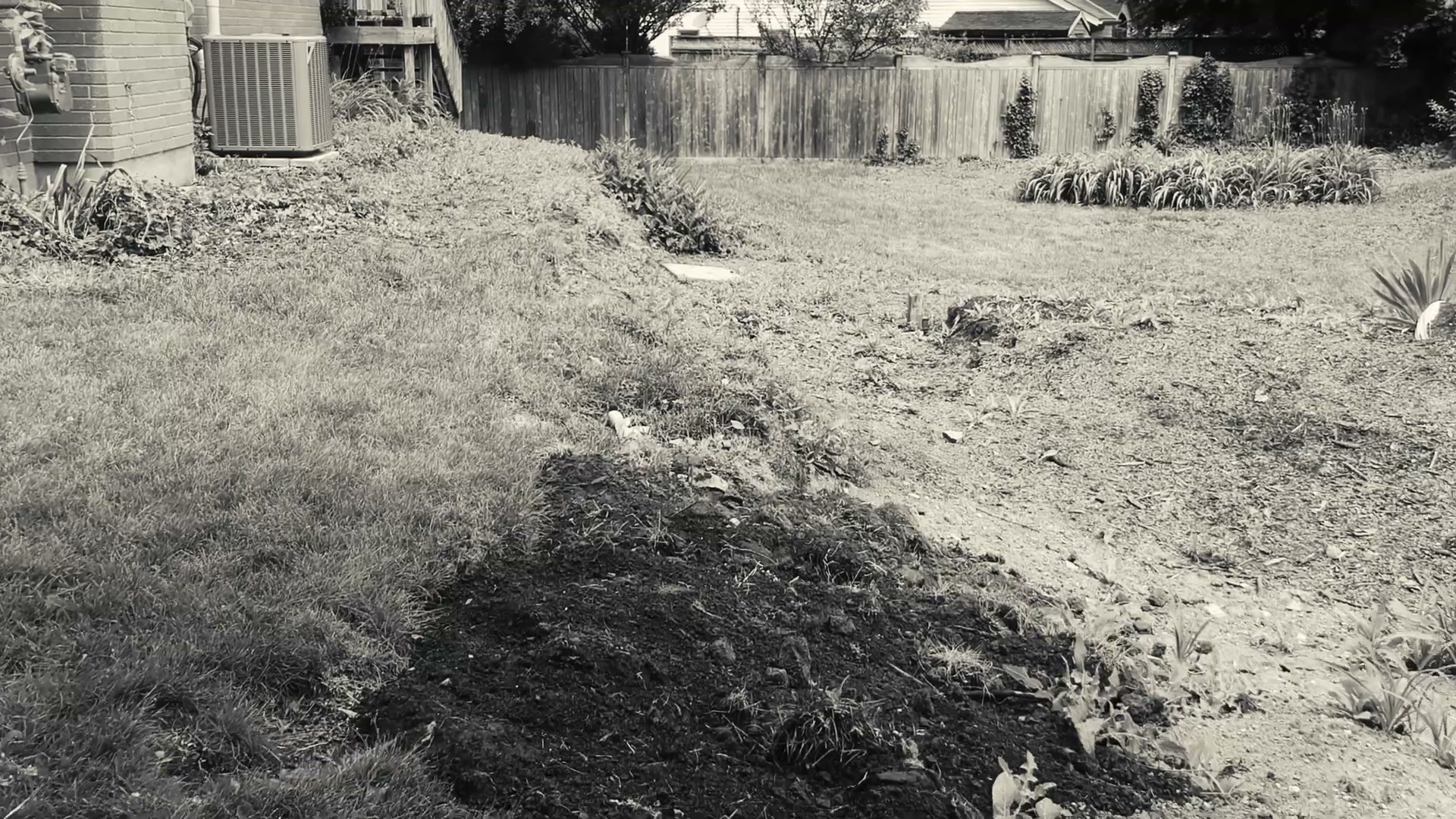
The second film is where the job stops being a list of products and becomes an argument. Before anything went back into the ground, the lot was investigated. The weeping tile around the perimeter was free and clear, not clogged, and the house sat on a silty sand base that was already percolating moisture away. So the problem was not the drain. It was the grade, and the street.
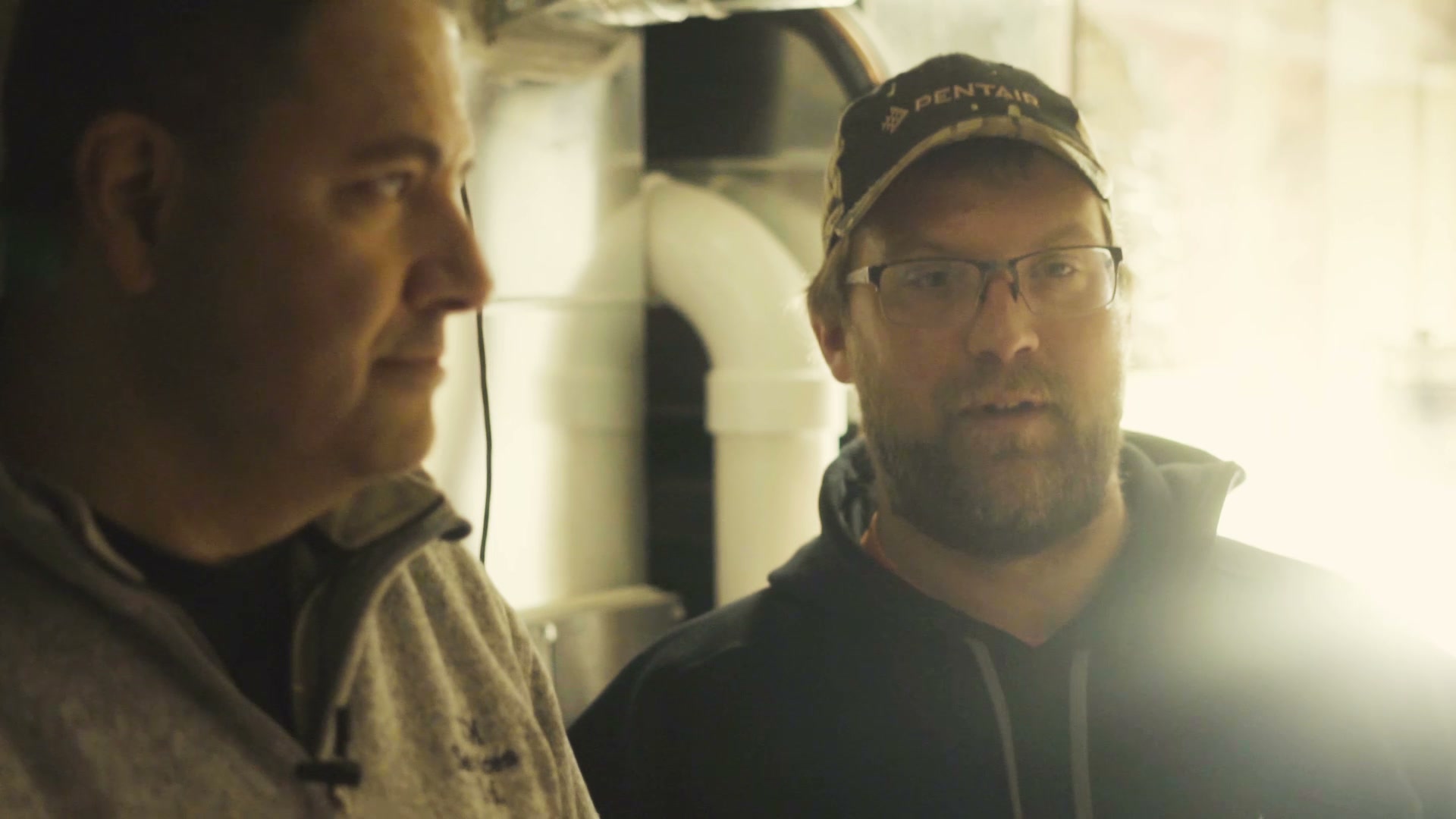
That is the part most homeowners never hear. Water in a basement is not one failure, it is a chain, and the last link is usually a surcharge in the street that nobody on the block controls. Murray had the sewer camera inspected hoping to fit a backwater valve, and could not: the line ran out directly under a toilet, and a valve outside would freeze. He had a plumber on hand during the lateral testing, ready to break the floor open if the camera found what he expected. It didn’t. The pipes came back clean, and the house may once have been on septic, which is why the line leaves the back of the building.
What he wanted the films to carry is narrower and more useful than a sales pitch. If a project like this one documents the elements that matter — the ones that are not very expensive and are not in the code yet — then the next code revision has something to point at. That is the whole case for filming a rebuild instead of just finishing one.
Four episodes came out of it, across ten months, because a house does not finish on a shooting schedule. By the end the home had been rebuilt beyond code for a new family, and the argument had a street address attached to it.
DIRECTOR / PRODUCER · BRYAN BAKKER
The films
Images