The magazine that became an agency
Municipal World had a hundred years of material and no film. They asked for one. We came back with a set — a documentary, a promo, interview features, an awards piece, and the small animated pieces that tie them all together.
What this was for
To show that the strongest material a studio can shoot is the material the client already owns — their archive, their people, their words — and that a brand film is worth making when the client is willing to put their own name under it.
The story, as we wrote it at the time
Municipal World is the magazine Canadian local government reads. They had been at it for well over a century when they decided they wanted to say so on camera. They came to us.
The job was never one film. It was a set.
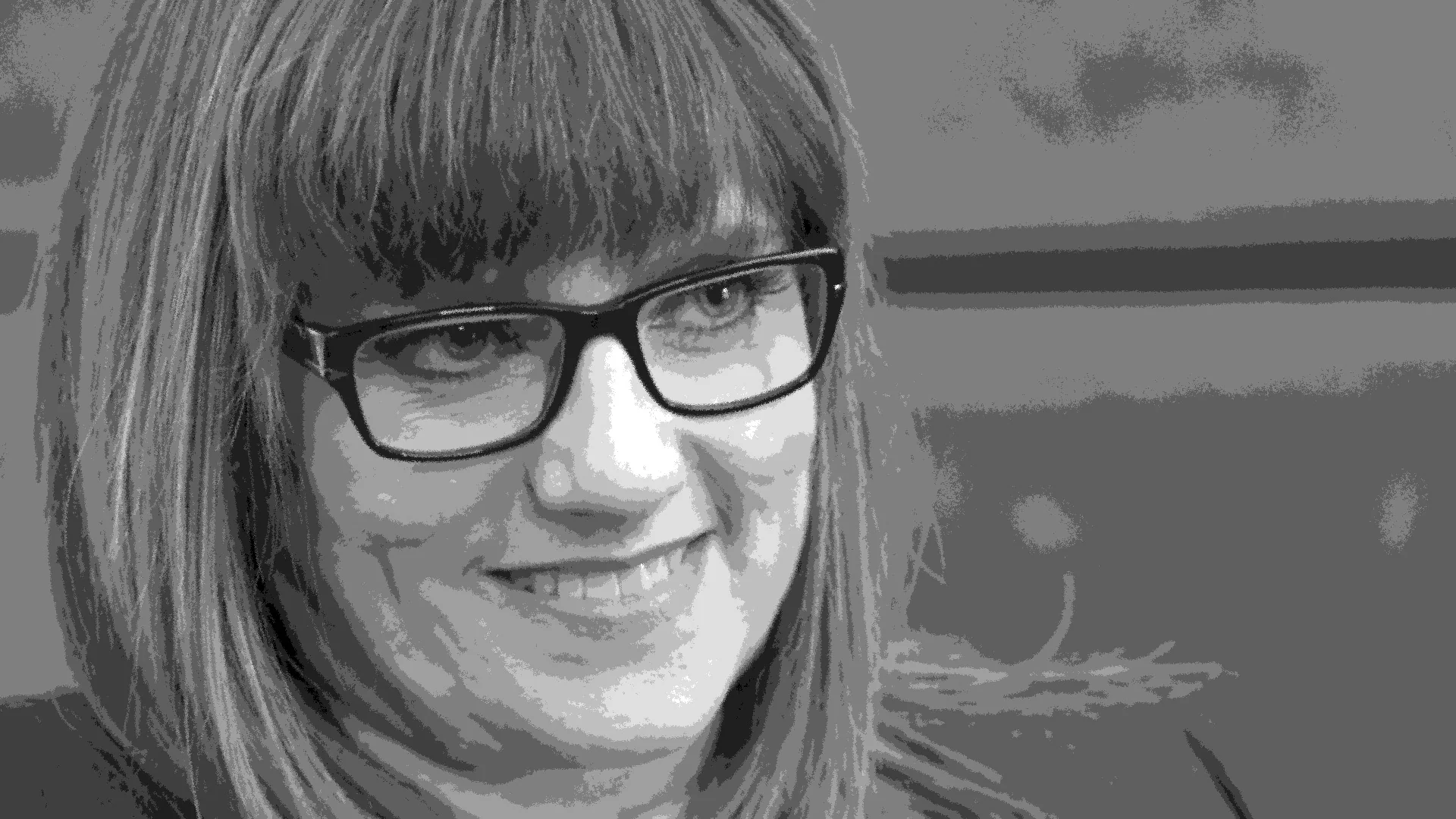
A long documentary — the piece that answers who they are, where they came from, and where they're going. A short promo cut to sit at the front of a website. A run of interview features built around the people they work with. An awards piece. A piece for their work with Canadian Tire Jumpstart Charities. And underneath all of it, the small things nobody notices until they're wrong: the animated logo, the branded ender that signs every one of those films closed.
We started where you always start, which is with questions. What do they actually sell? Who reads the magazine? What do they want a mayor in northern Ontario to feel in the last ten seconds? Nobody asked us for a commercial. They asked for something that made an old institution feel current, without pretending it was young.
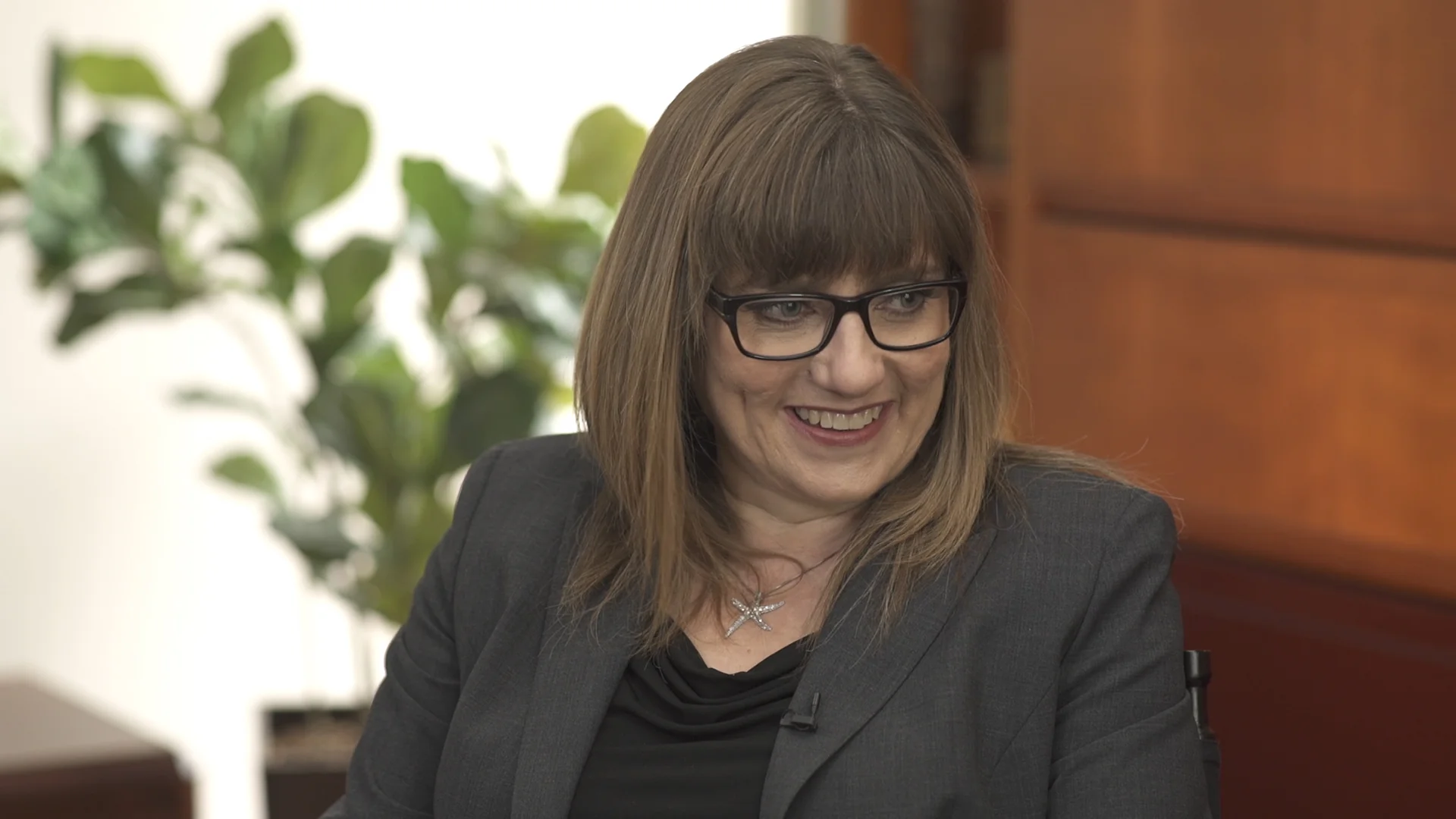
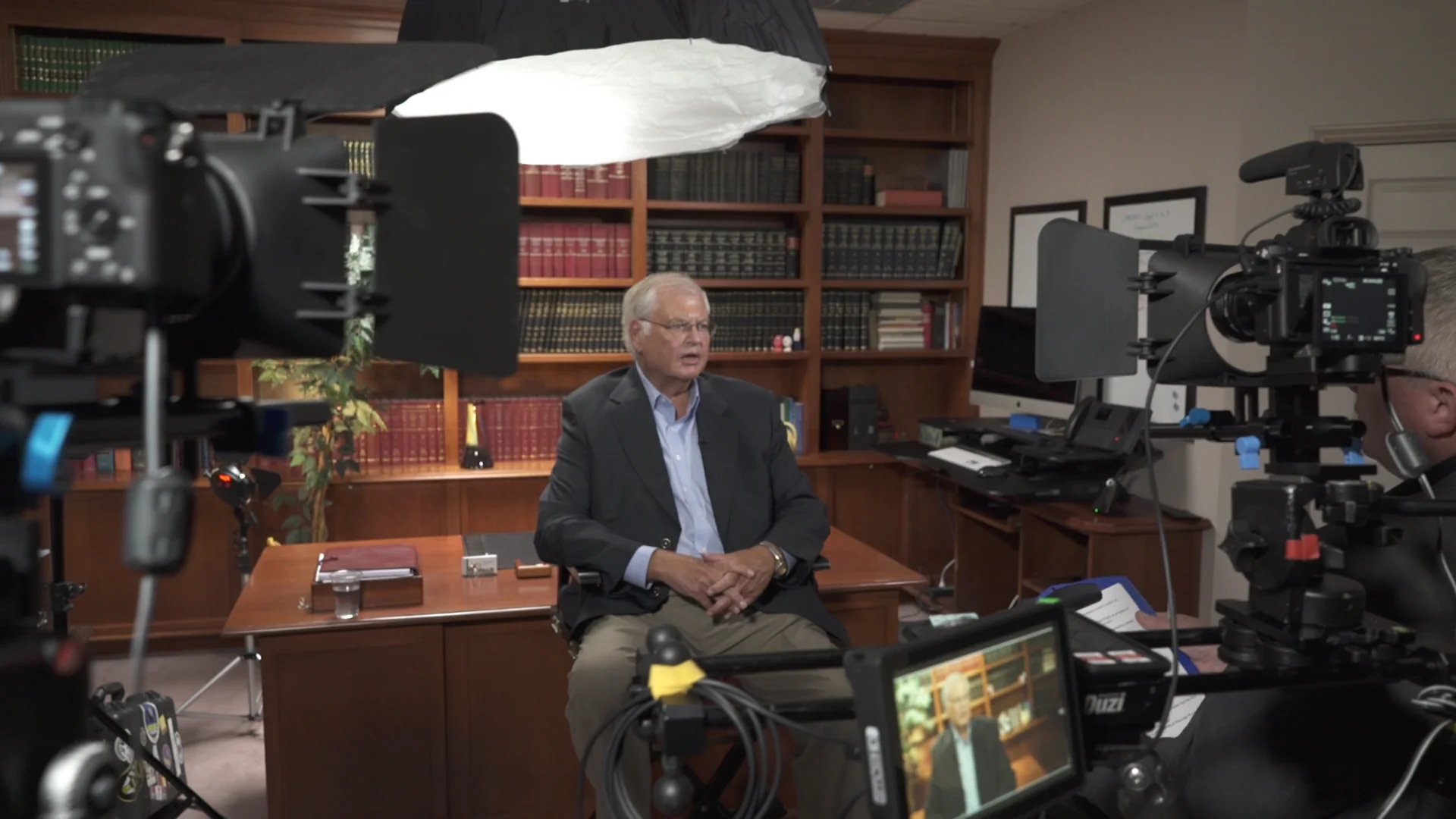
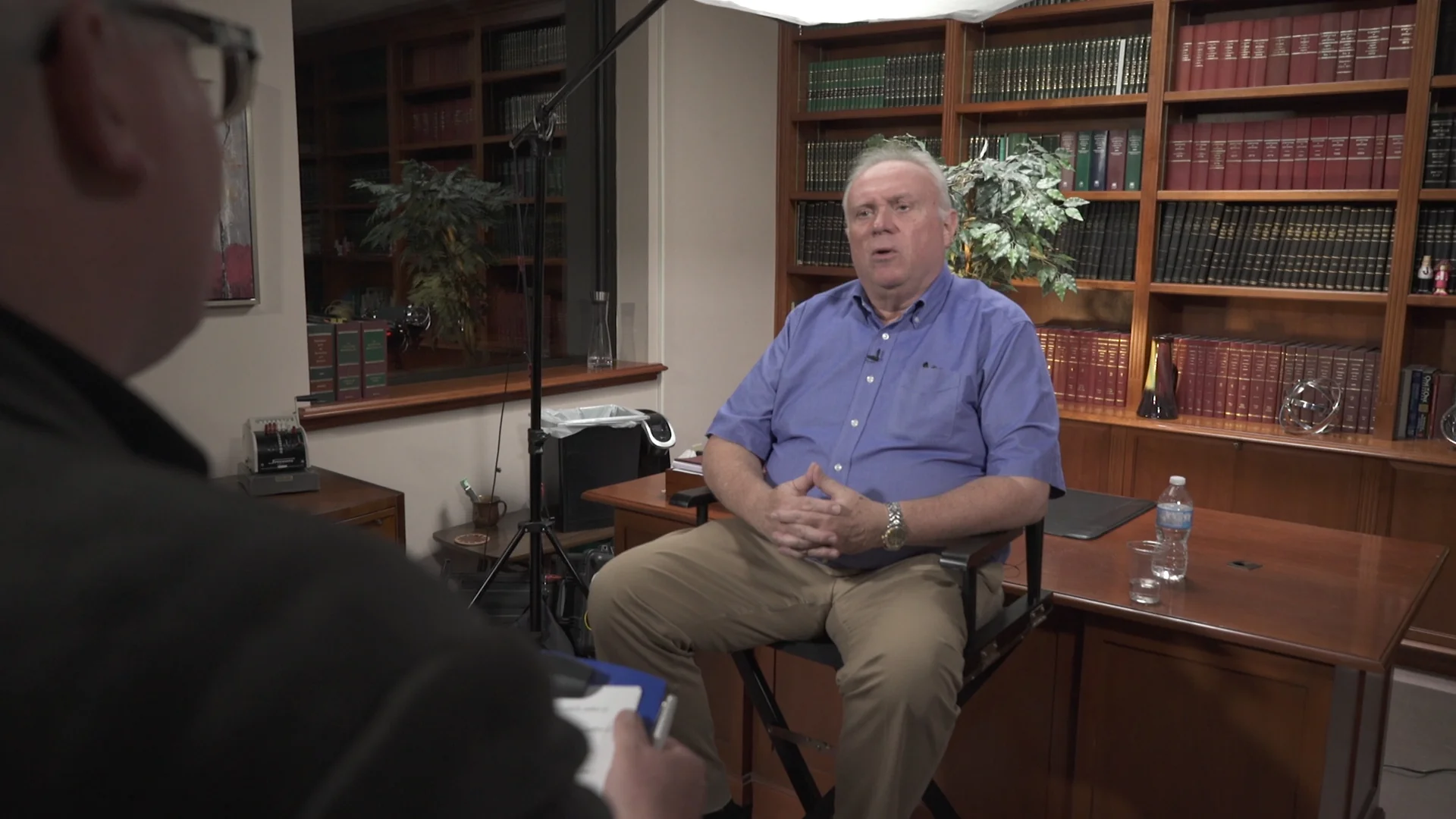
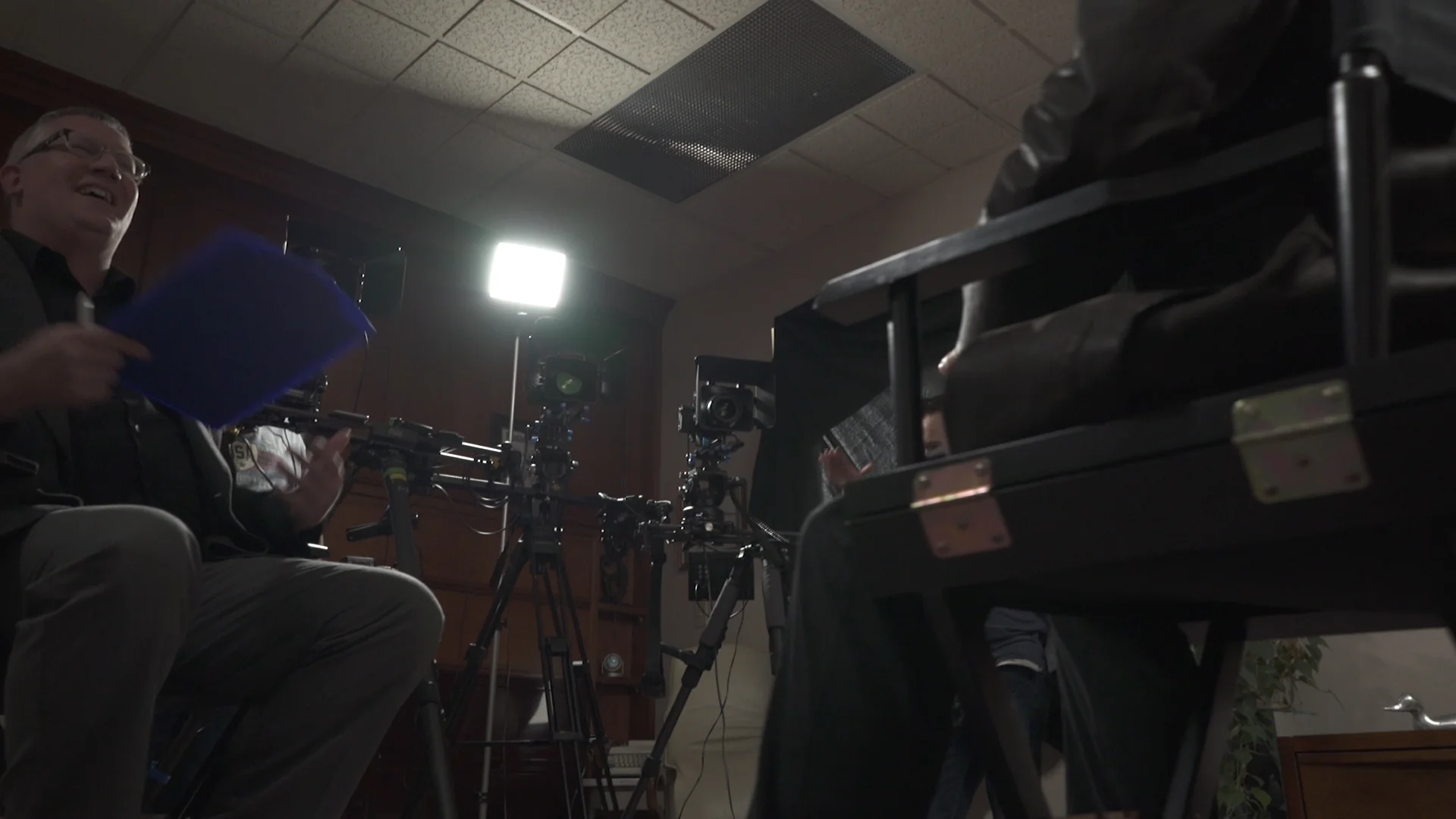
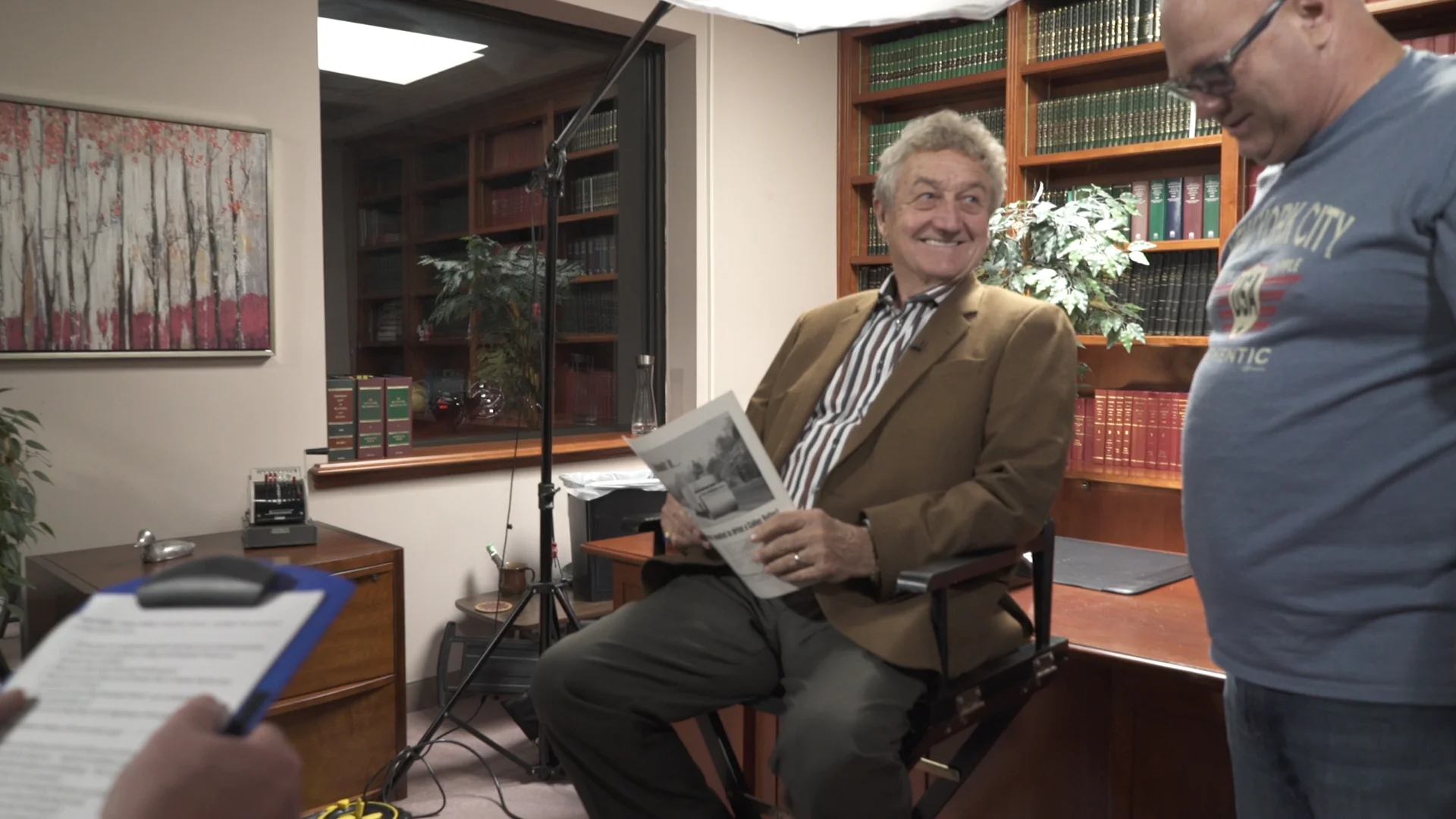
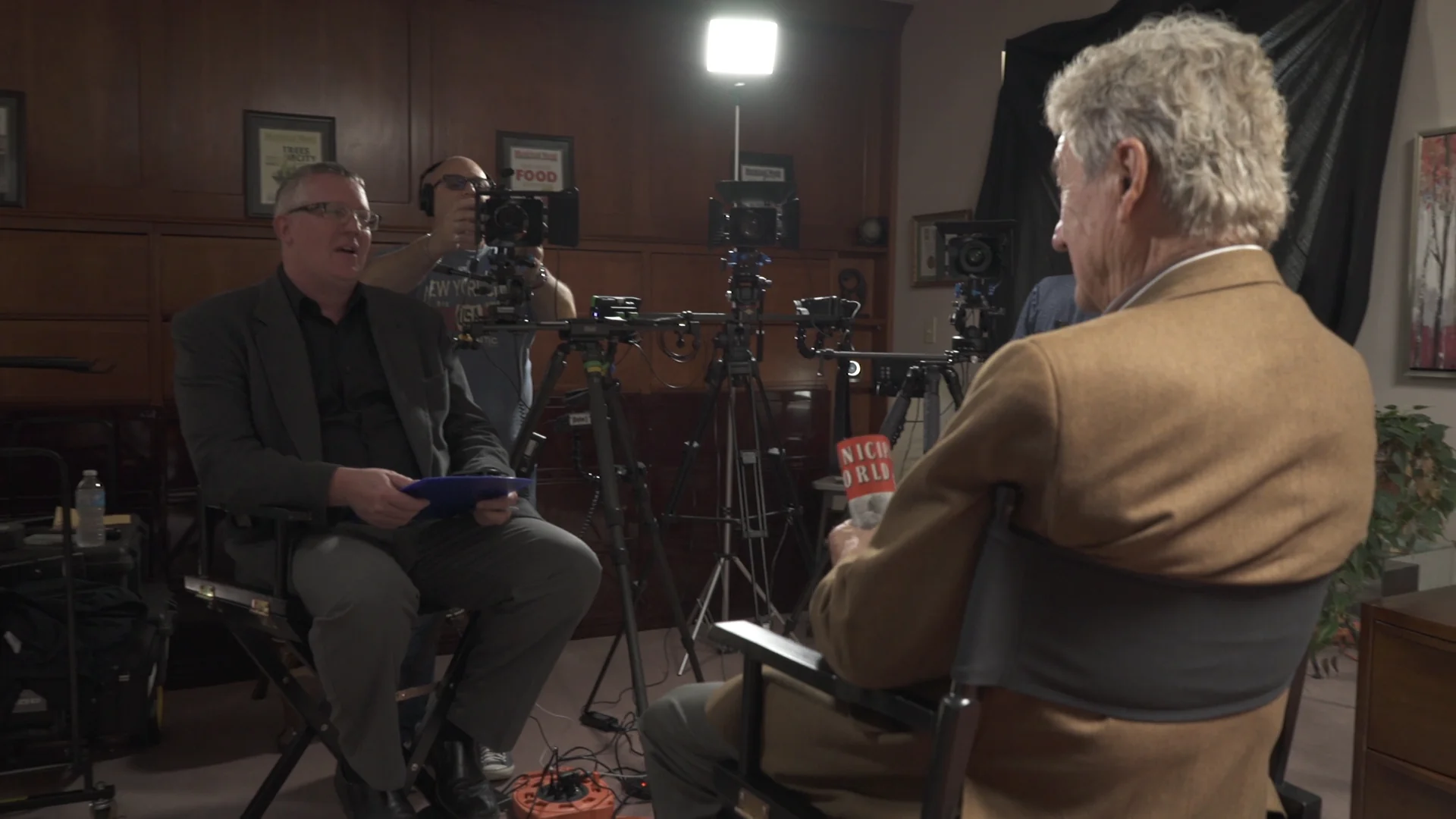
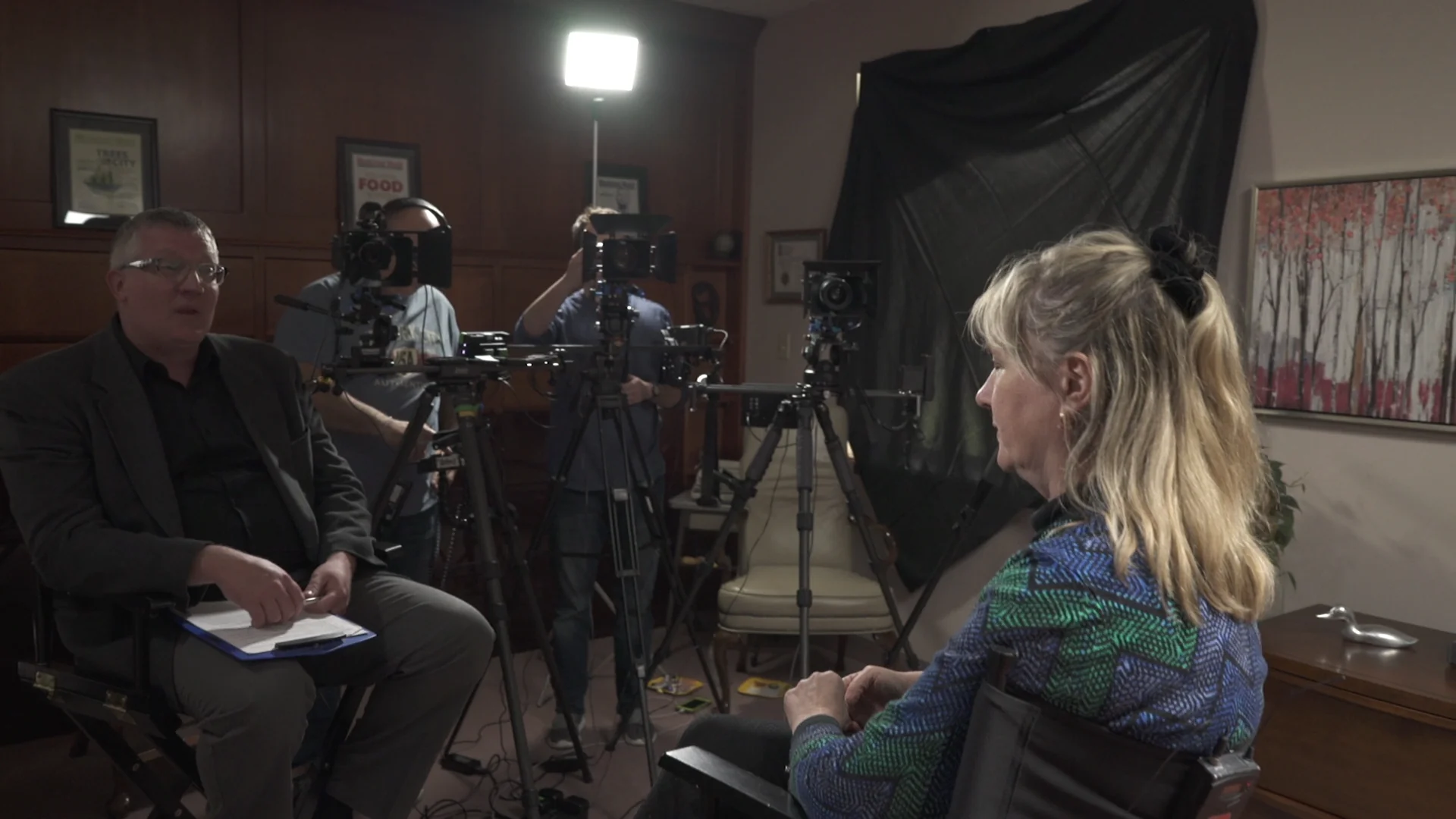
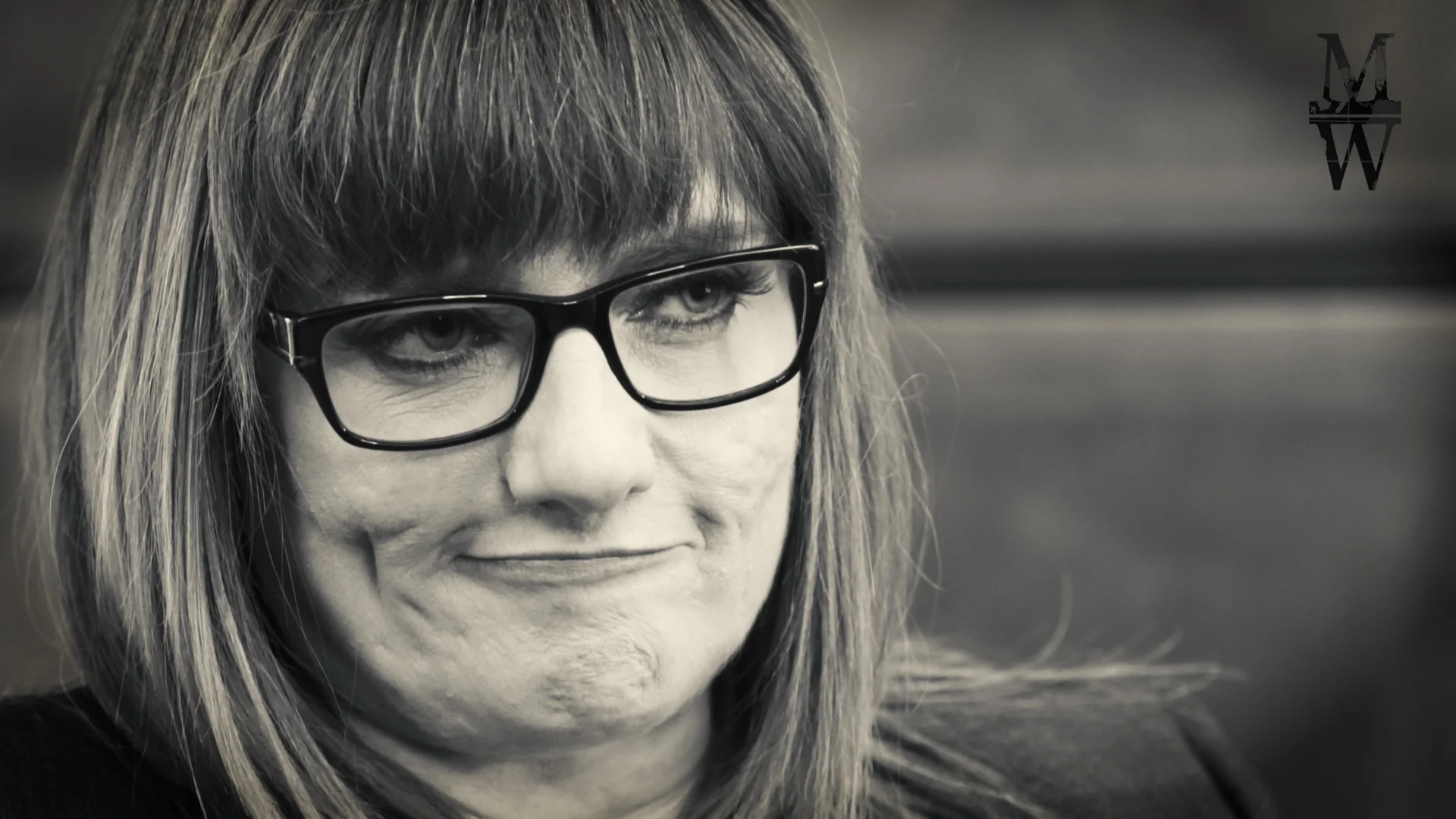
Then we shot. Two interview days, a couple of weeks apart, in rooms with as much quiet as we could buy. Subject seated, lights up, cameras on him, and the room dressed so it read like a place a magazine would actually work rather than a studio we'd built. It should look like the room they'd have used anyway. That's the whole trick.
We kept a second camera on the operator's shoulder for the reactions and the moments between answers, because the usable half of an interview is usually the part that happens after the question has been answered. We shot a second-unit day as well, for the cutaways a film like this lives on — the desk, the paperwork, a walk through the office, a wall sign, a name card.
The archive was the other half of it. A magazine with a back catalogue like theirs doesn't need stock footage. We scanned covers and pages going back through the decades — a wetland, a city under a magnifying glass, a maple leaf built out of brick — and let the film show its own history rather than describe it.
Editing is where it came together. The documentary runs seven and a half minutes and holds one argument from start to finish: that a magazine is not really a magazine, it's an agency, and its job is connecting municipalities to the people and information they need. Every frame of it came out of the client's own building.
The films went out on Municipal World's own channel, and they still sit on the client's own website. That is the part that matters to me. Not a spot we bought somewhere, but work the client was willing to put their own name under and point their own audience at.
We wrote for them too — a column in the magazine itself. Which is the other half of what a relationship like this looks like. Some jobs you shoot. Some jobs you write. The good ones, you end up doing both.
I have made a great many films since. This one is still the clearest thing I can point at when somebody asks what a studio adds to an organisation that already has everything it needs to tell its own story.
Except one thing: someone who knows what to keep.
The films
Images