
A record of the day, not just a film of it
A camera gives you a picture, and EXIF gives you a date and a camera model — neither of which it can prove. Video carries no record at all.
Verified Reality closes the analog hole: the camera’s own liveness data — time, device, sensor — is sealed into the file as it is recorded, video included, and tamper-evident, so the original can be checked for any change since the moment it was shot.
Rip Current Summit, St. Thomas, Ontario
Some shoots you come home with a film. This one I came home with a record.
In September 2026, I documented the Great Lakes Risk Communication Summit at CASO Station in St. Thomas. People traveled from across the Great Lakes basin to tackle one urgent problem: how to stop people from drowning in rip currents. The Rip Current Information Project convened the room. Nathan MacIntyre founded that initiative after losing his best friend to a rip current at Port Stanley when he was sixteen. Growing up on the north shore of Lake Erie, the warning I heard as a kid was always about the undertow. It took meeting Nathan in 2016 to learn that the undertow was never the real danger.
In 2019, I drafted a documentary proposal about this that didn’t get produced then; Great Lakes Stories did.
When I arrived at CASO Station that morning, I brought two parallel toolsets: professional production equipment to record broadcast-grade video and audio, and a Pixel 6 Pro running the Verified Reality App (VRA) to establish a forensic anchor.
I didn’t film the entire day inside the VRA app. The platform enforces a standard 1.0 GB infrastructure envelope to keep cryptographic processing and hardware attestation fast and lightweight. Instead, I deployed the protocol exactly as intended: the “Bookend Rule”. Throughout the 95-minute working session, I used the smartphone to take targeted burst photos, short environmental video sweeps, and ambient acoustic clips at key intervals—capturing the morning setup, the active proceedings, and the final handoffs. The verified capture wasn’t meant to replace my dedicated production cameras; it was deployed to support them.
Standard cinema cameras and DSLRs capture high-fidelity light, but their raw files lack cryptographic provenance. Local device timestamps can be altered, metadata can be stripped, and unverified digital files can be challenged as synthetic or staged after the fact. Running a verified capture in tandem closes that gap. By actively polling the phone’s hardware sensors, VRA bound the shoot’s physical environment—combining the camera sensor’s unique PRNU silicon fingerprint, spatial parallax telemetry, and an independent DigiCert network timestamp—into a single, tamper-evident SHA-256 Truth Packet.
Forensic integrity requires radical transparency. Across the session’s active checks, a couple of specific readings registered as inconclusive: an optical parallax calculation on an isolated static still couldn’t confirm depth, and several frames lacked sufficient data to affirmatively verify handheld motion. A system that blindly claims a 100% pass on every variable is an advertisement, not a forensic tool. Because VRA utilizes defense-in-depth, the protocol openly records anomalies alongside confirmed telemetry.
The resulting Truth Packet is the production’s own baseline: it fixes the date, the hour and the device of the capture, and the file can be checked for any change since it was sealed.
The summit was the rightful proving ground for this standard. The specialists in that room gathered because critical water safety messages must be trusted before they can save a life. “Flip, float, follow” only works if the public trusts the source.
The film
The film is published on The Newsload’s own channel. We can show where it lives; the record does not attest what is in it.
The images

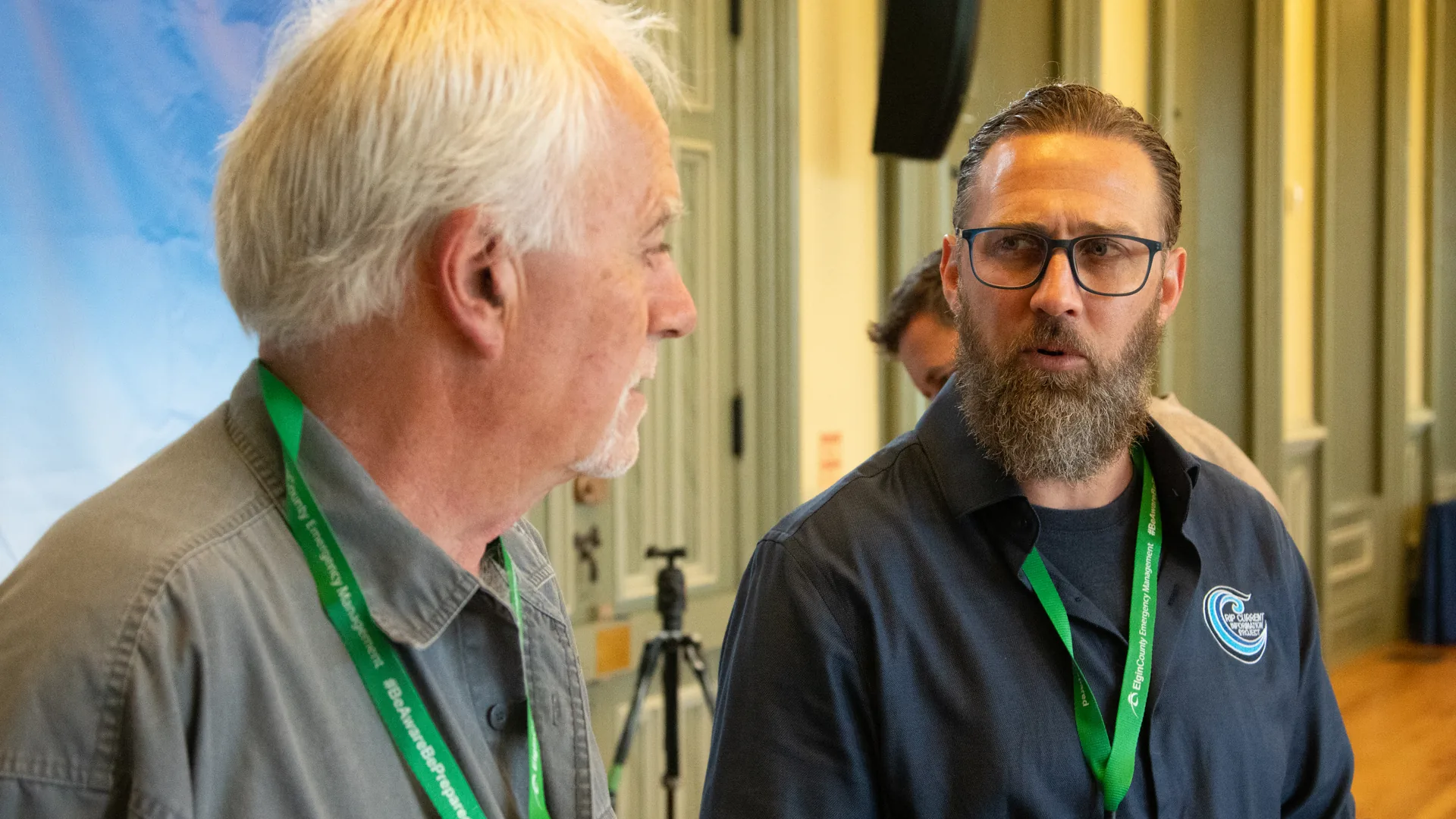
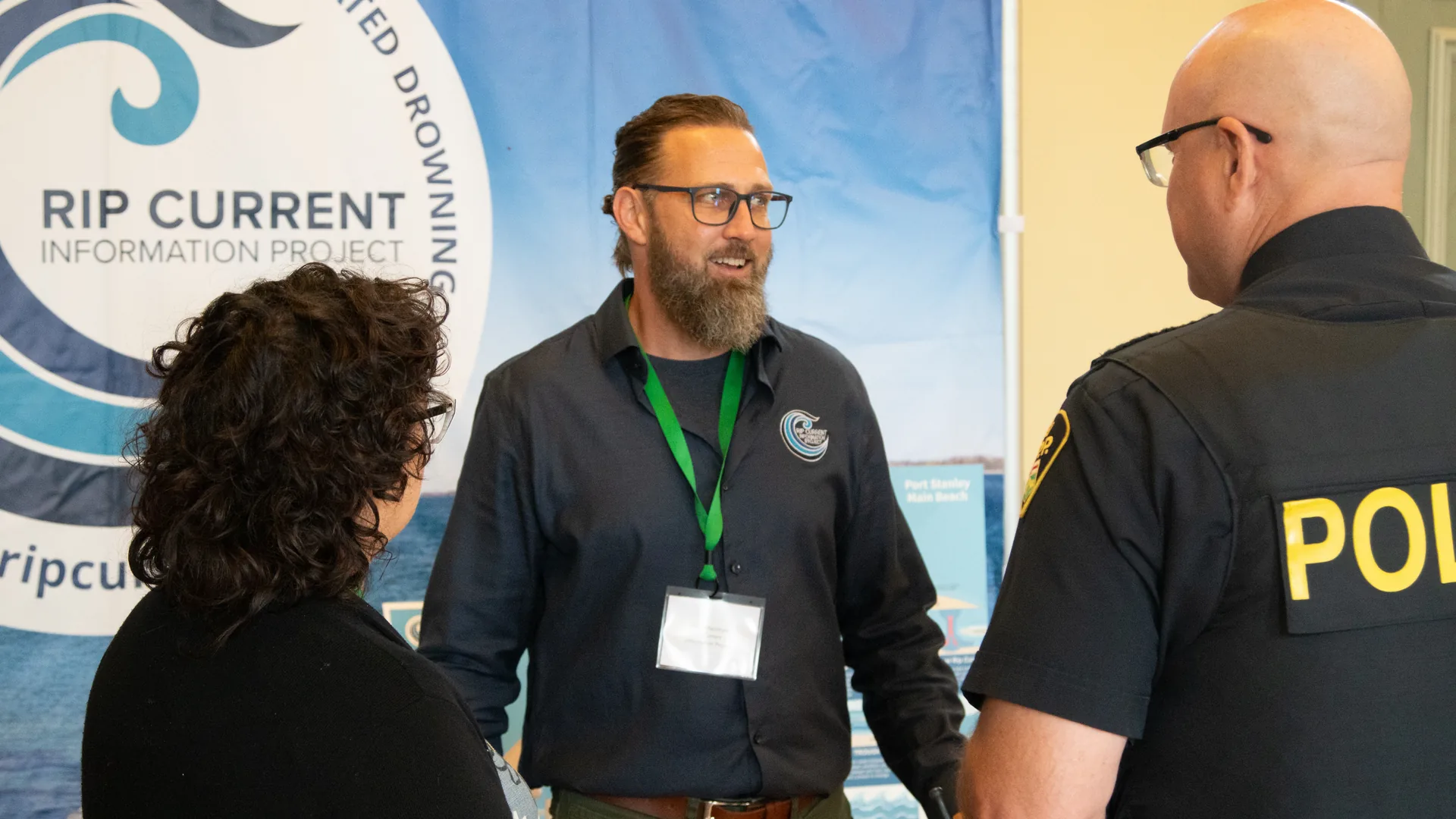
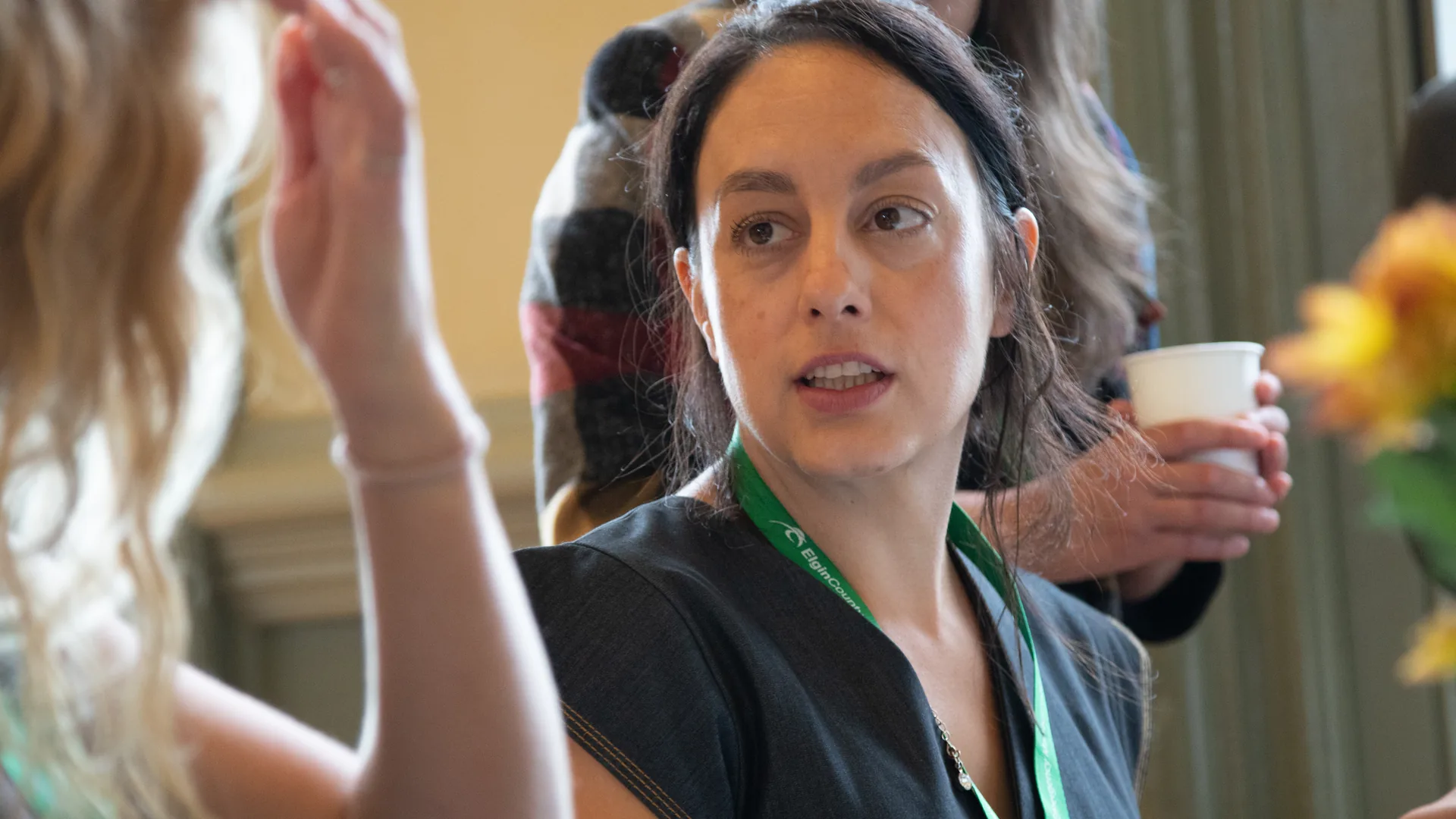
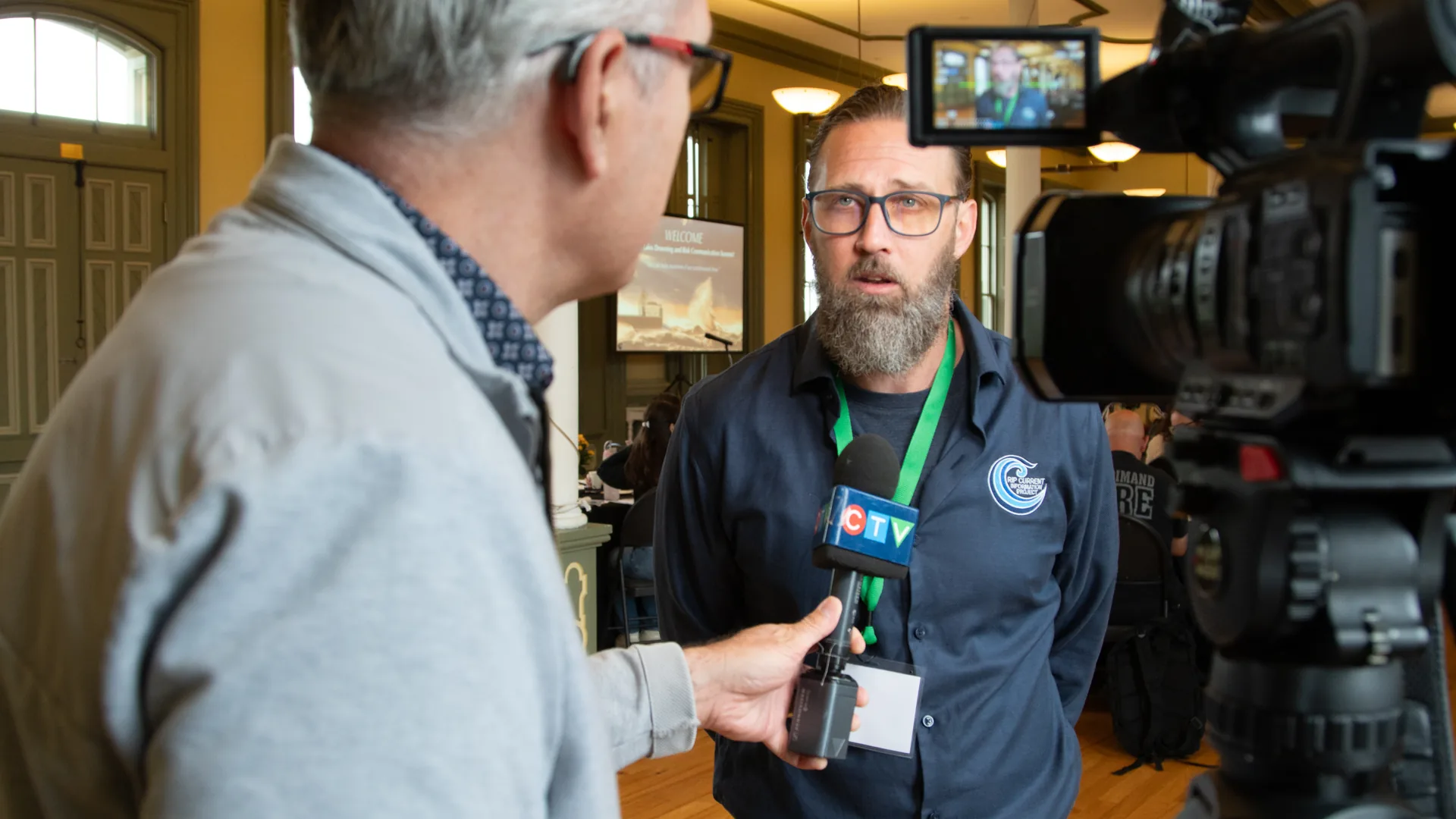
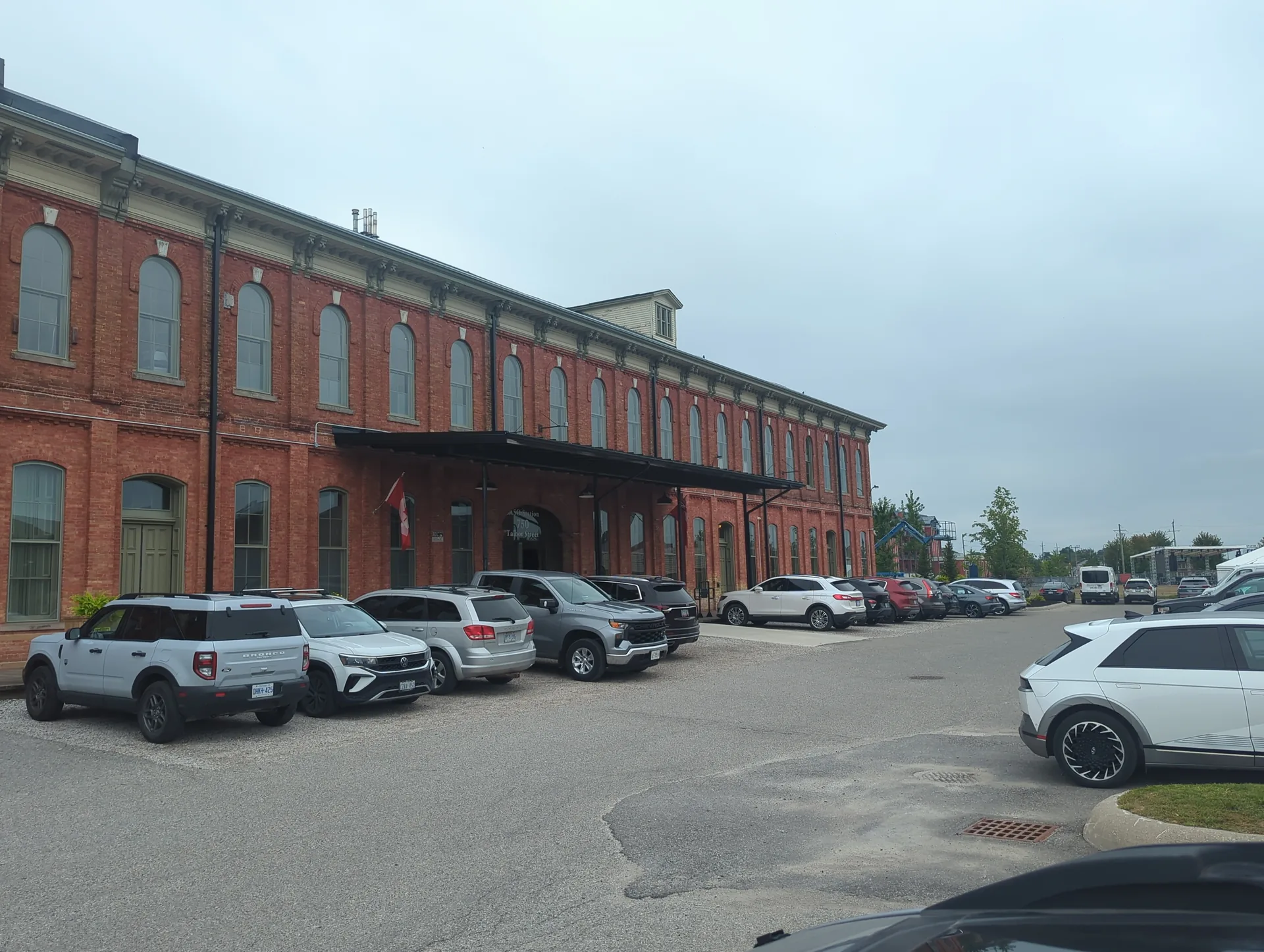
The witnesses
Five of the summit photographs sit alongside a verified capture of the same scene on our public Records page—a defense-in-depth architecture Bizbio now deploys across our video production and web development pipelines. Because commercial media is routinely color-graded, cropped, or balanced for presentation, we bookend our production shoots with Verified Reality captures as standard added value to establish an unedited physical baseline.
For web clients, we embed this directly into a dedicated “Records” page in the site footer, cataloging every public image across three distinct provenance layers: the published display image, the camera original with its native capture metadata, and an attested “witness asset” drawn directly from the session’s Truth Packet.
This multi-layered record gives clients a defensible operational shield. If any image on their website is ever disputed, claimed to be synthetic, or maliciously altered in the wild, the client can independently demonstrate that the physical event occurred—and prove that subsequent modifications happened outside their knowledge.
The verification requires zero blind trust: anyone can download the free Verified Reality Desktop Auditor without an account, drop the witness asset into the interface, and compute its SHA-256 cryptographic hash against the capture-time anchor. A matching hash confirms the file’s technical integrity indicators remain intact; if even a single byte or pixel has been altered, the hash breaks instantly, rendering the tampering immediately evident.
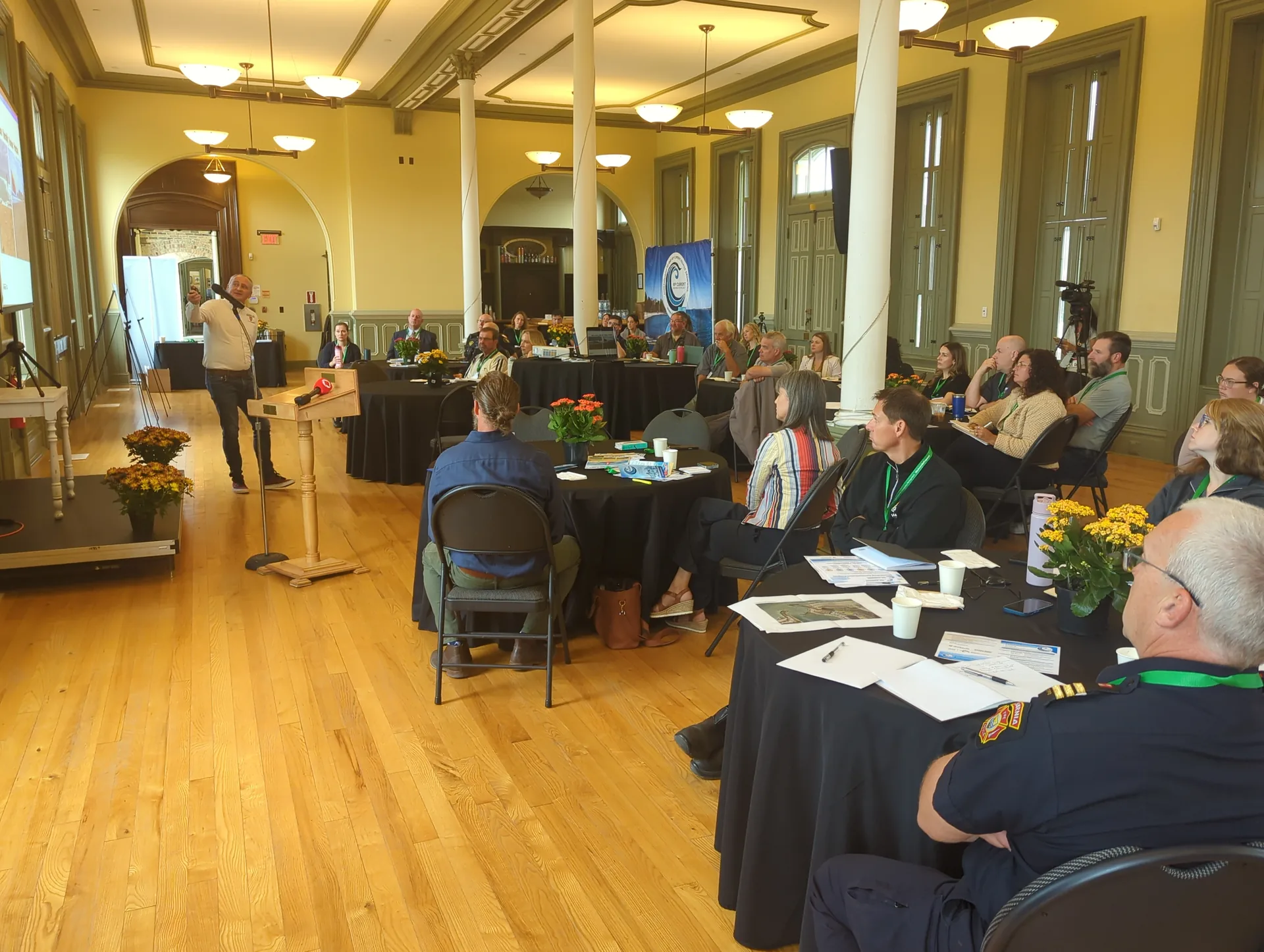
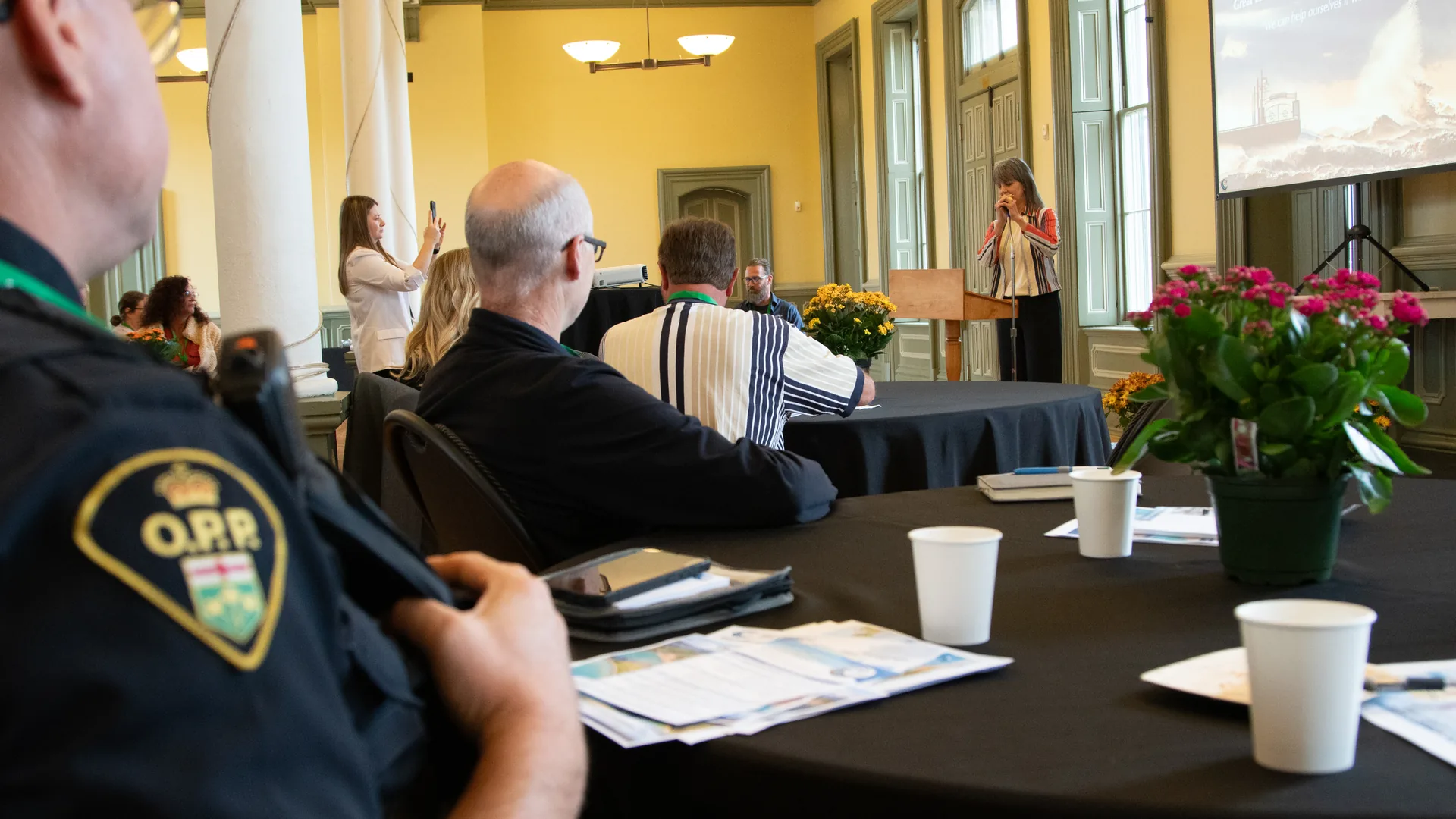
P1 The room. Yellow walls, tall windows, round tables with black cloths, a speaker at a podium.
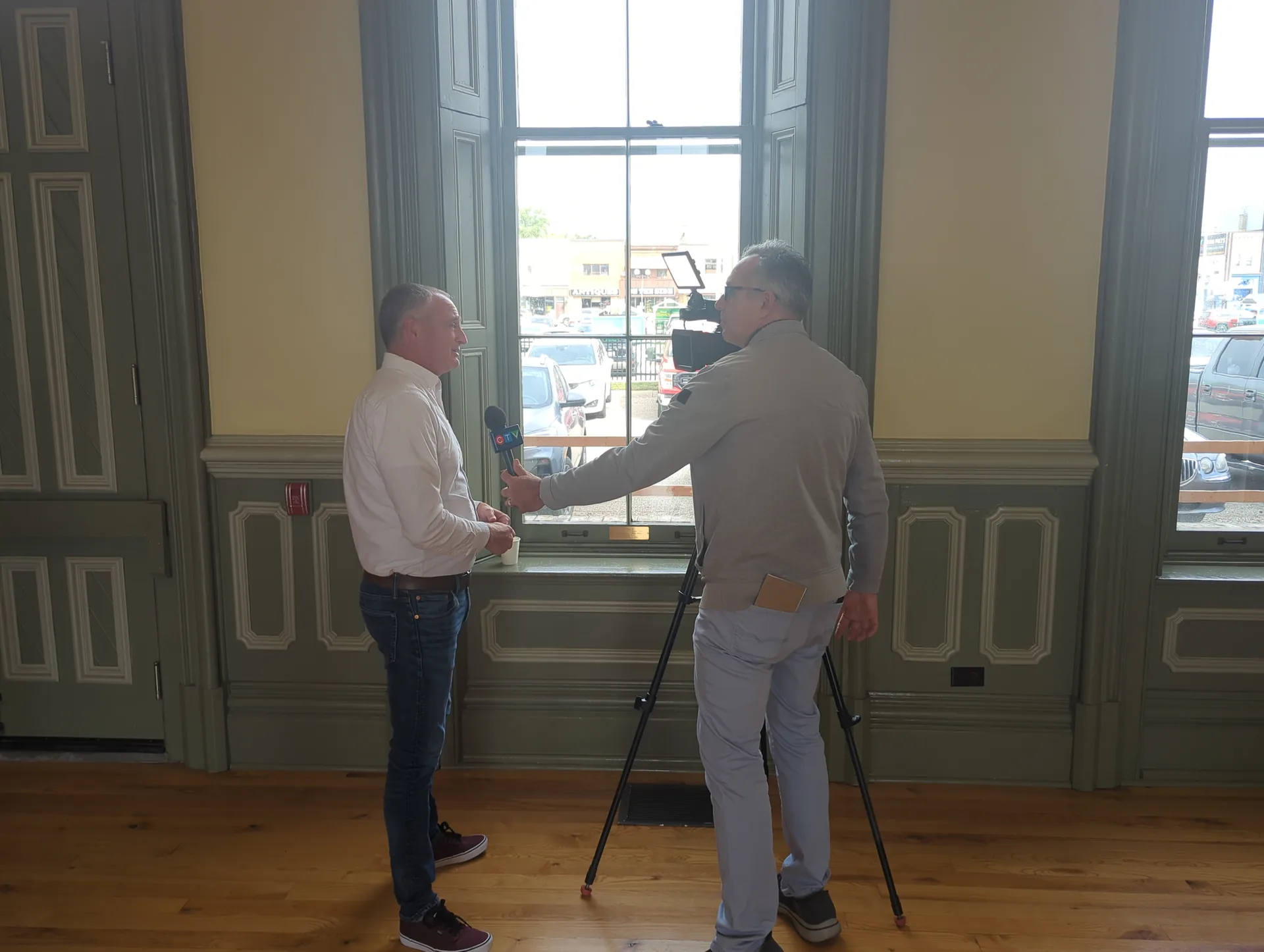
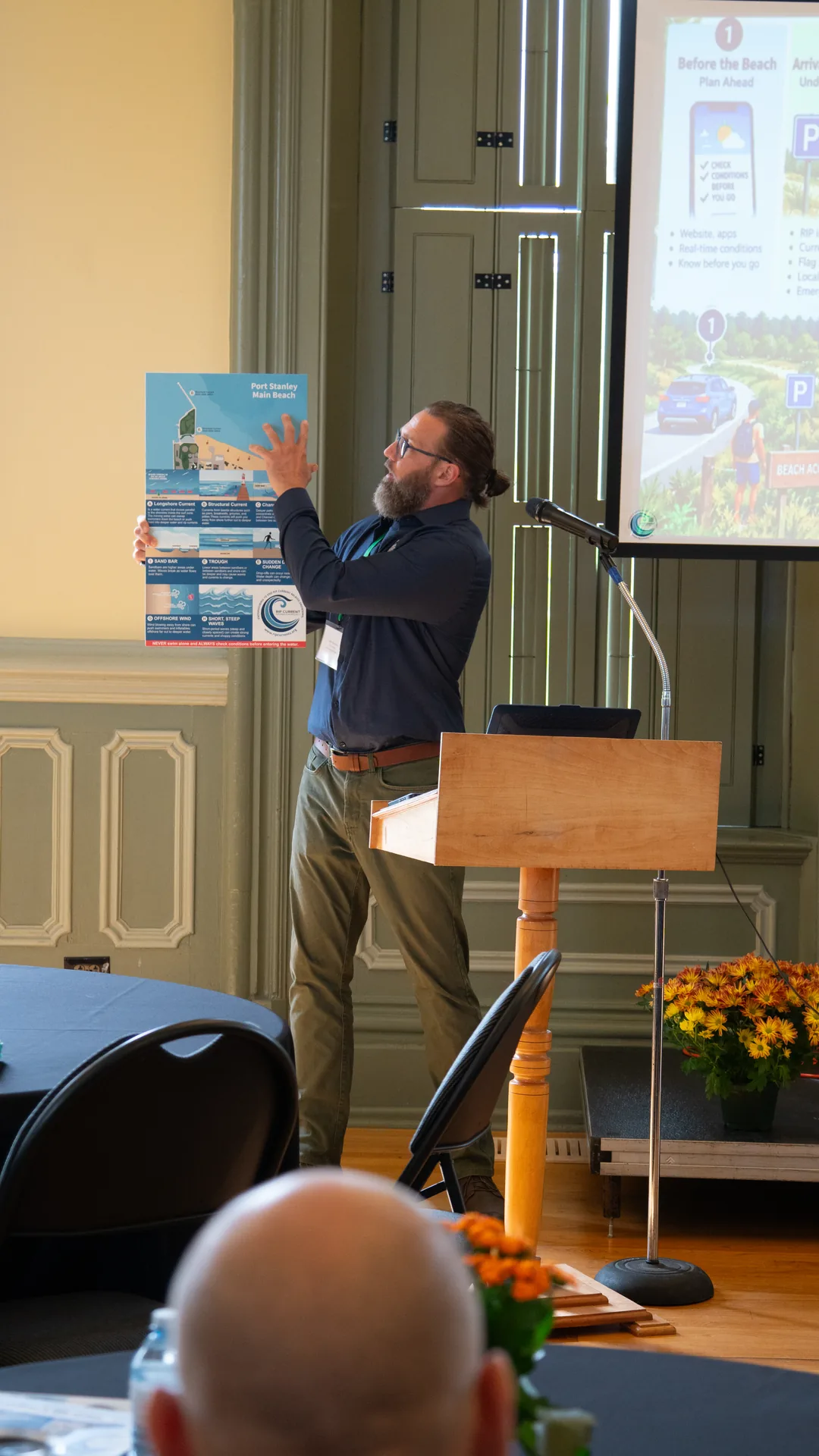
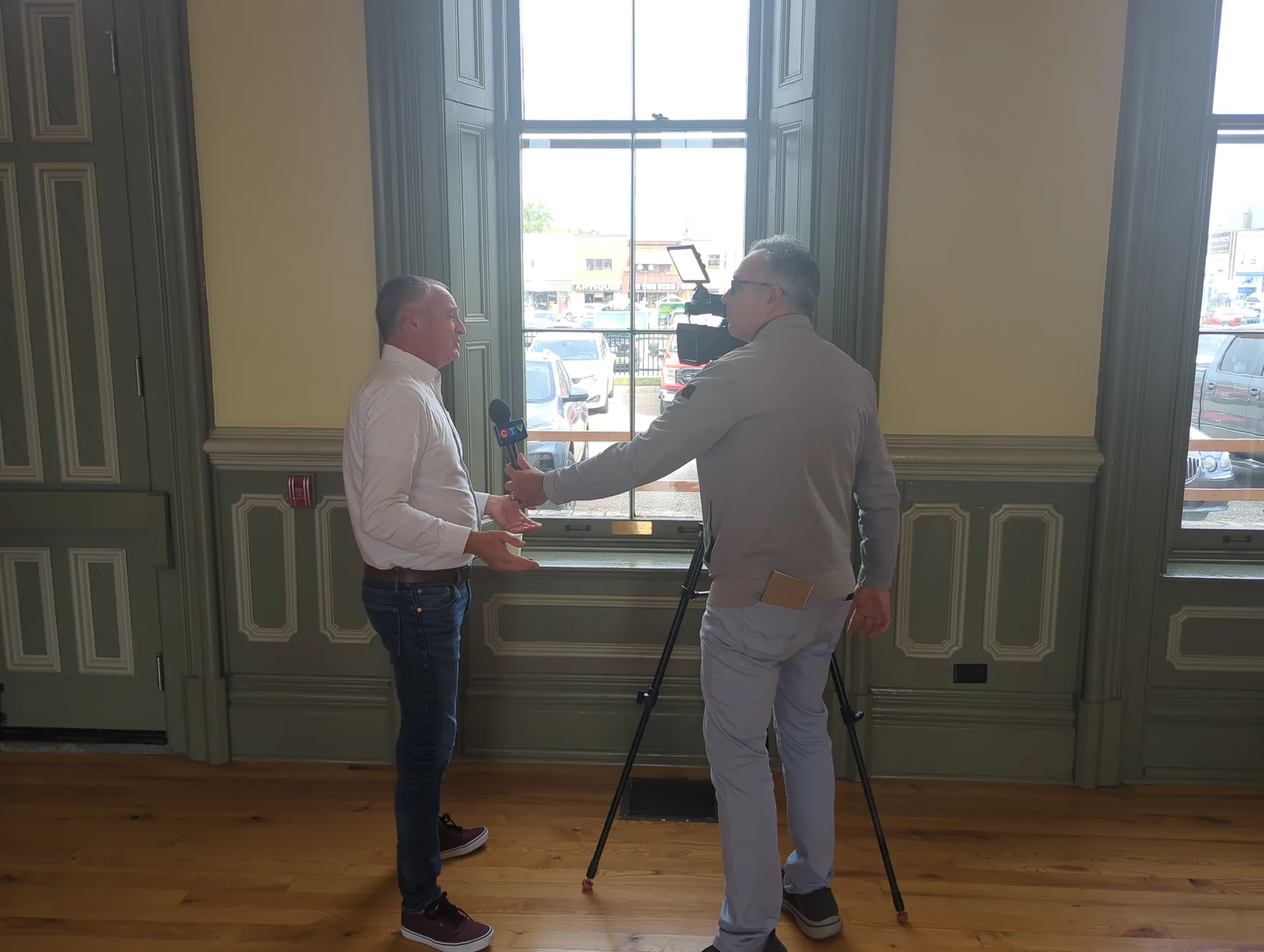
P2 The interview. Two people, one holding a microphone, and a camera on a tripod.
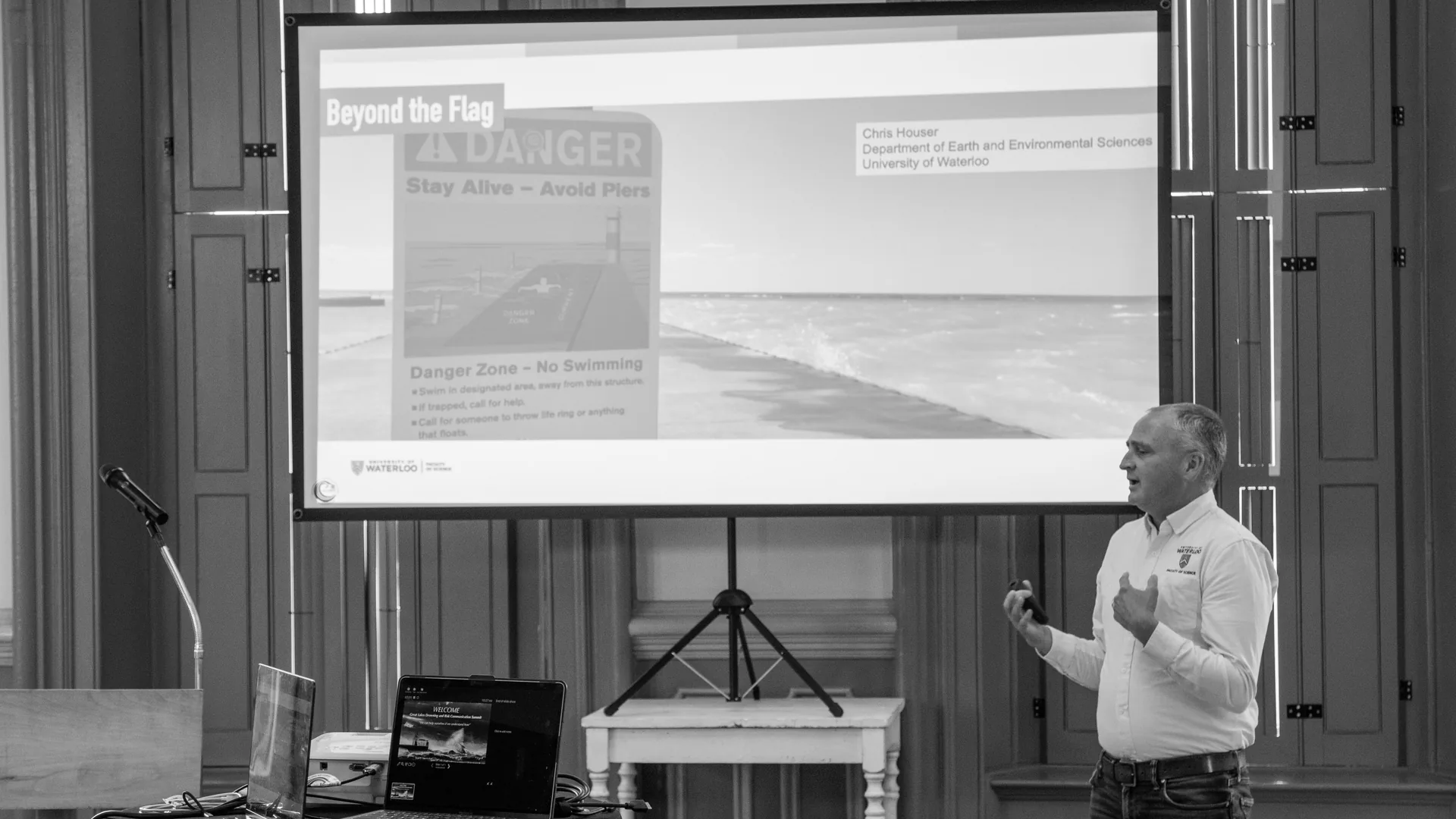
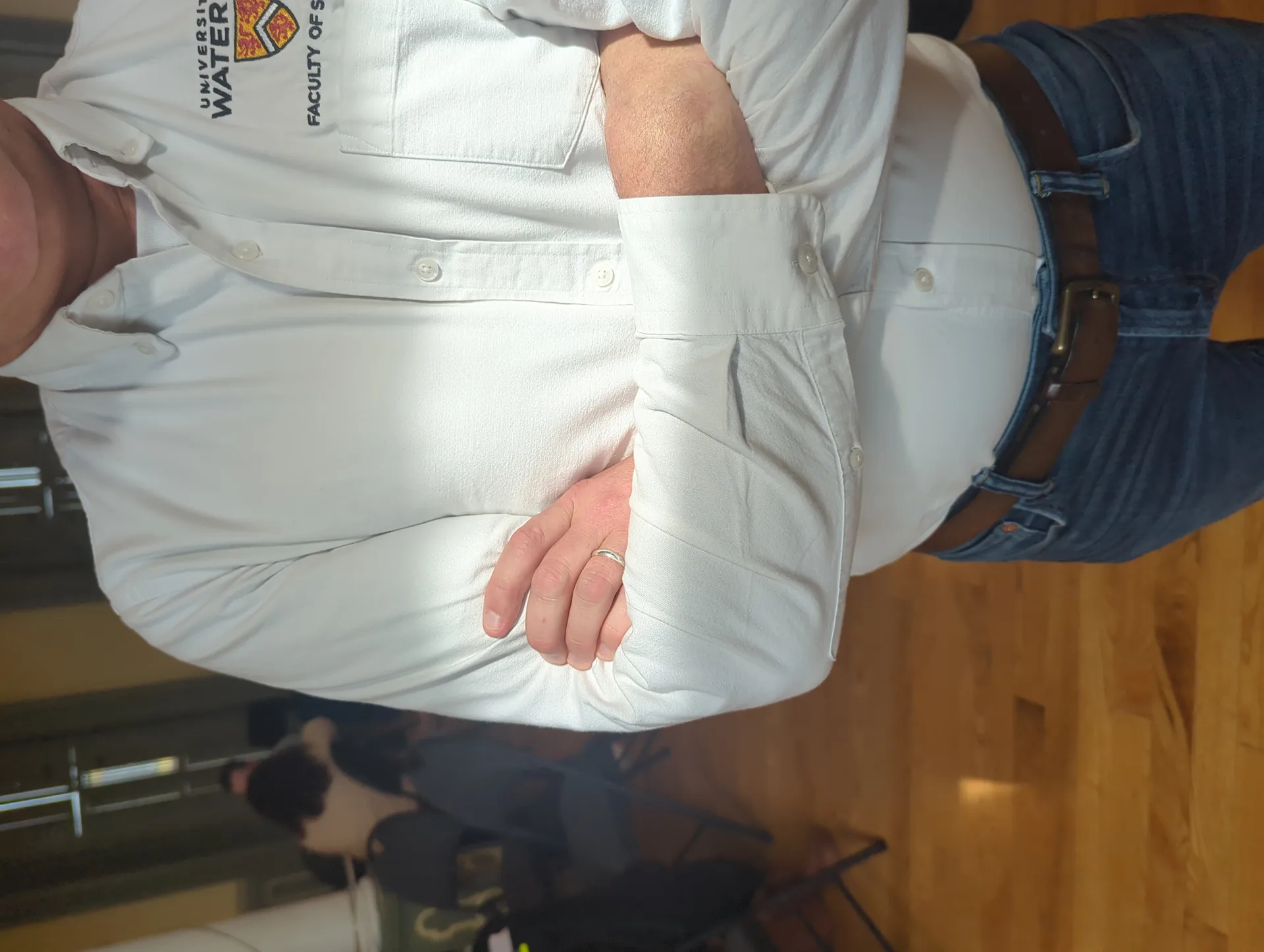
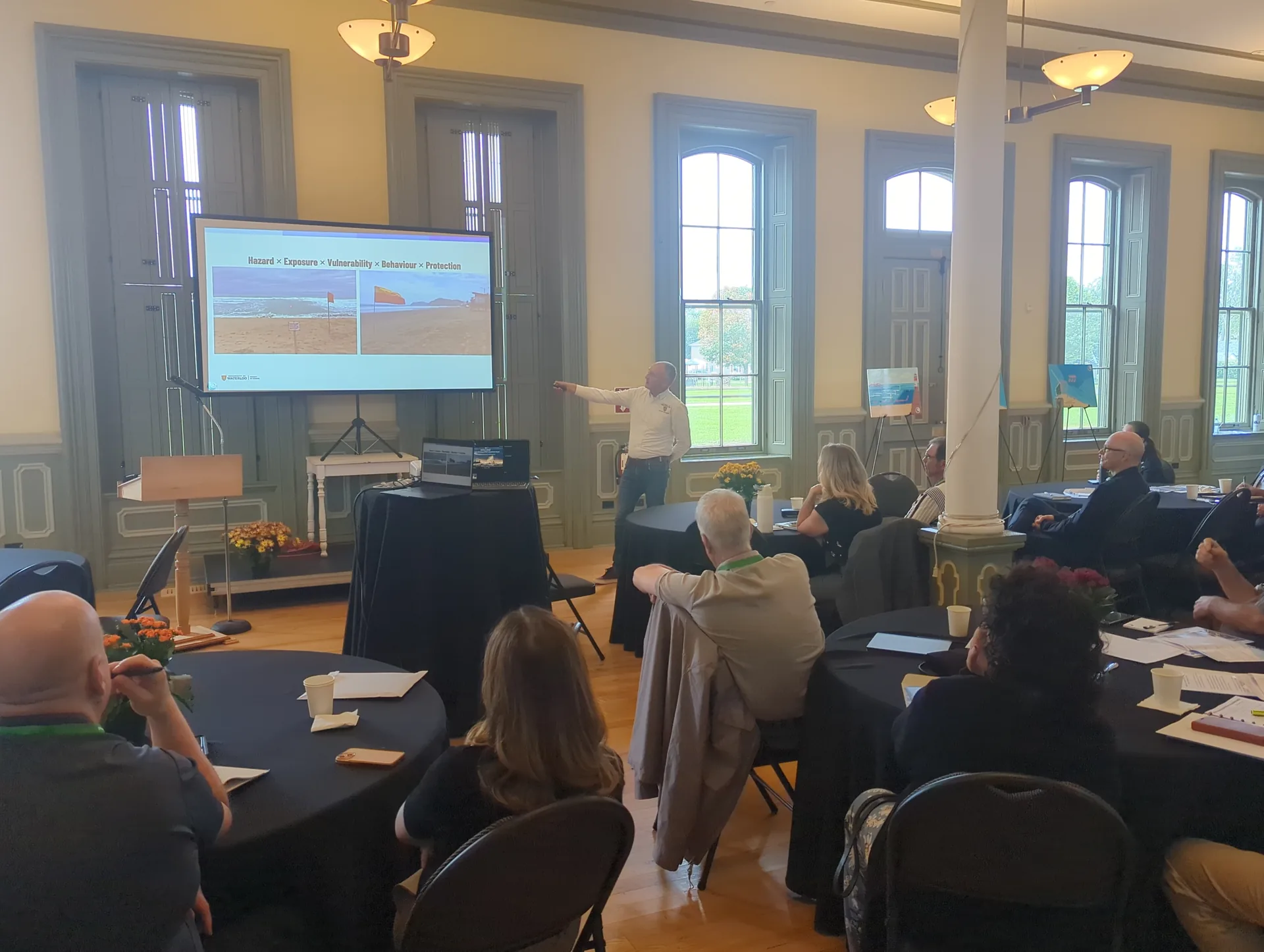
P3 The talk from the front. A speaker at the front of a panelled hall; the University of Waterloo named on both.
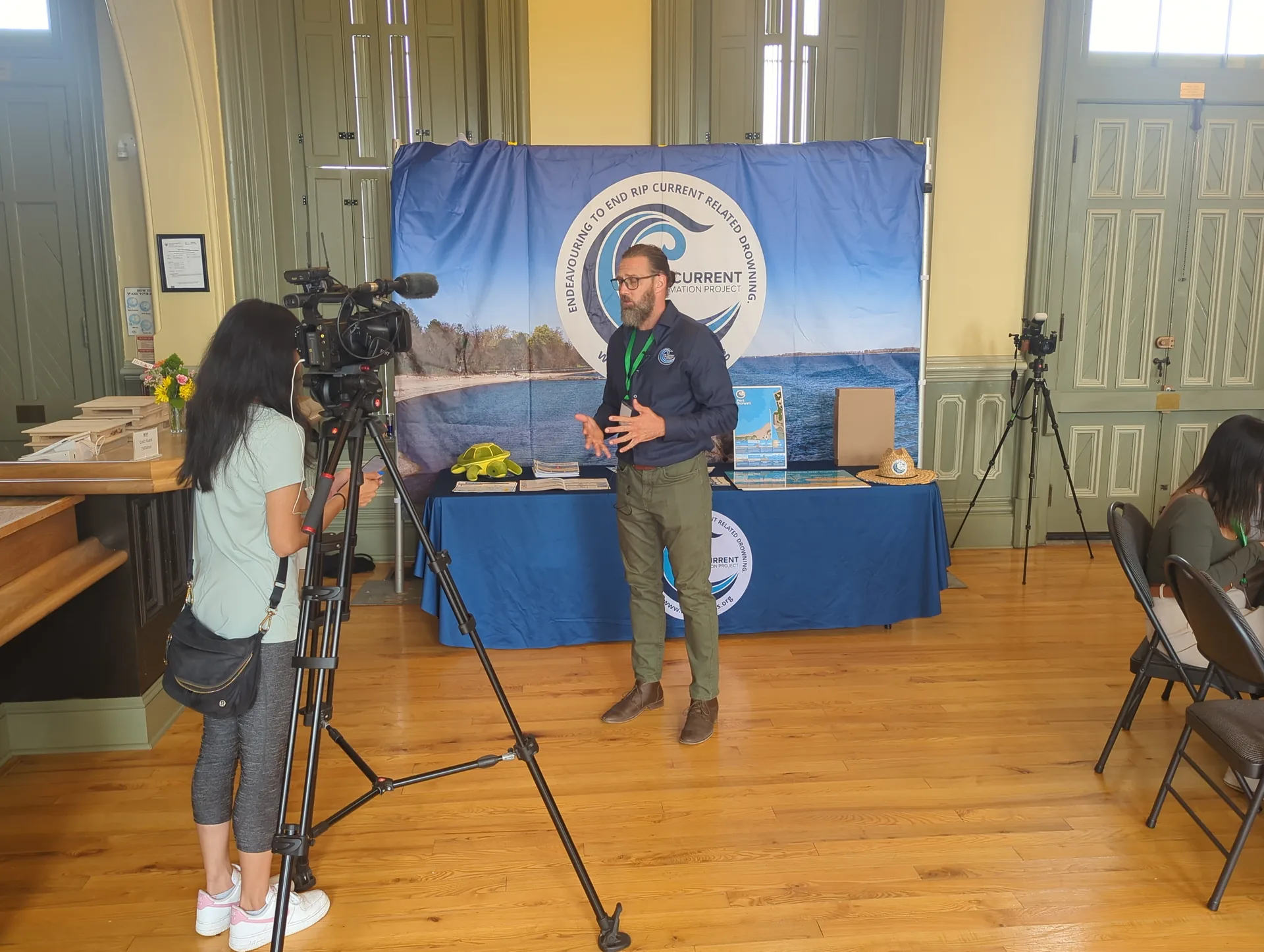
P4 The banner. The blue Rip Current Information Project banner and the room it stood in.
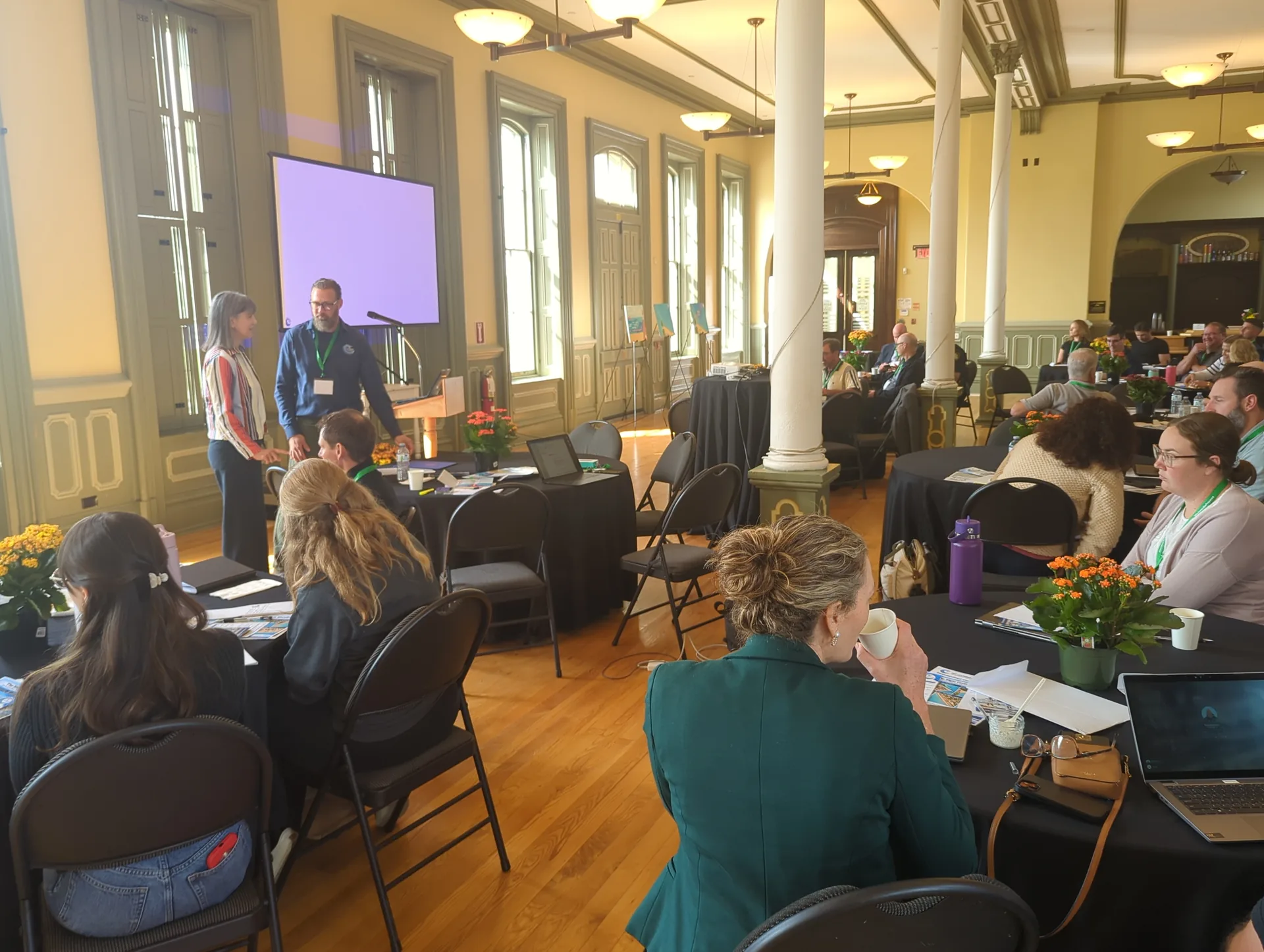
P5 The green room. Green wall panelling, wooden floor, a presentation in progress.
What a witness asset does and does not say. A witness asset attests that the scene existed, on that day, at that time, and that the verified capture is unmodified and third-party-timestamped. It does not attest how the other camera was set, what was cropped out of frame, or that the two frames are the same instant.