The class that disappeared
Injury prevention is the hardest message in public health. Everyone already agrees with it, and agreeing with it has never once stopped anyone from getting hurt. We had one classroom, one day, and a room full of volunteers to make a county feel it.
What this was for
To show that the message decides the method — and that a film built on a client's own facts, made with their own community in front of the camera, can land somewhere a statistic cannot.
The story, as we wrote it at the time
Some messages don't land because nobody disagrees with them.
Injury prevention is one of those. Everyone already knows to buckle up, wear a helmet, hold the handrail. Knowing it has never once stopped anyone from getting hurt.
So the problem was never explaining the risk. It was making a room full of people feel it before the room emptied.
The St. Thomas Elgin Safe Communities Coalition came to us with that job — more than twenty organizations across Elgin County and St. Thomas, working on one thing: fewer people hurt. They wanted a film that started a conversation instead of delivering a lecture.
So we built them a classroom, and then we emptied it.
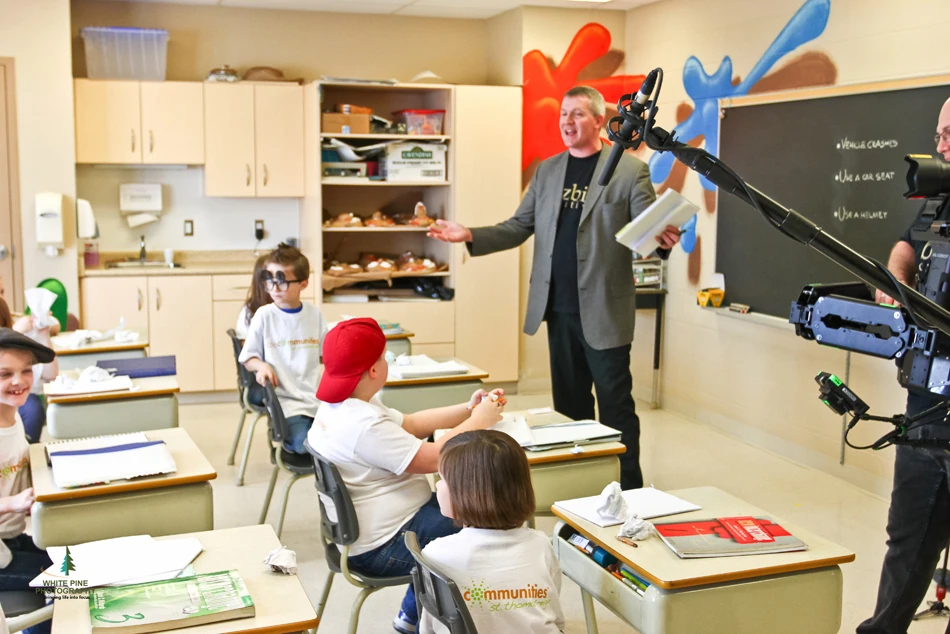
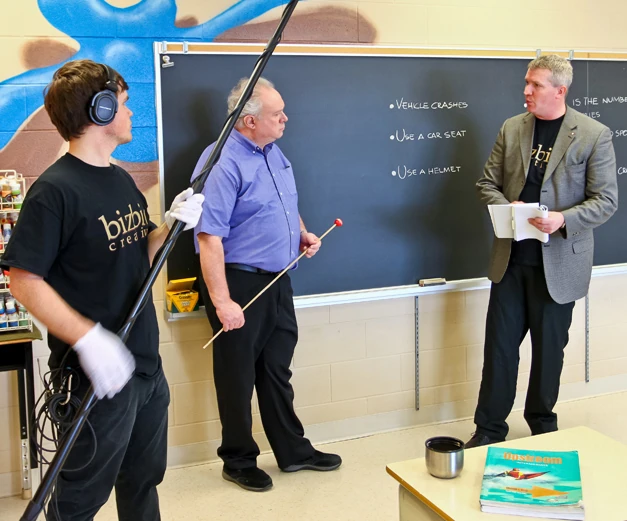
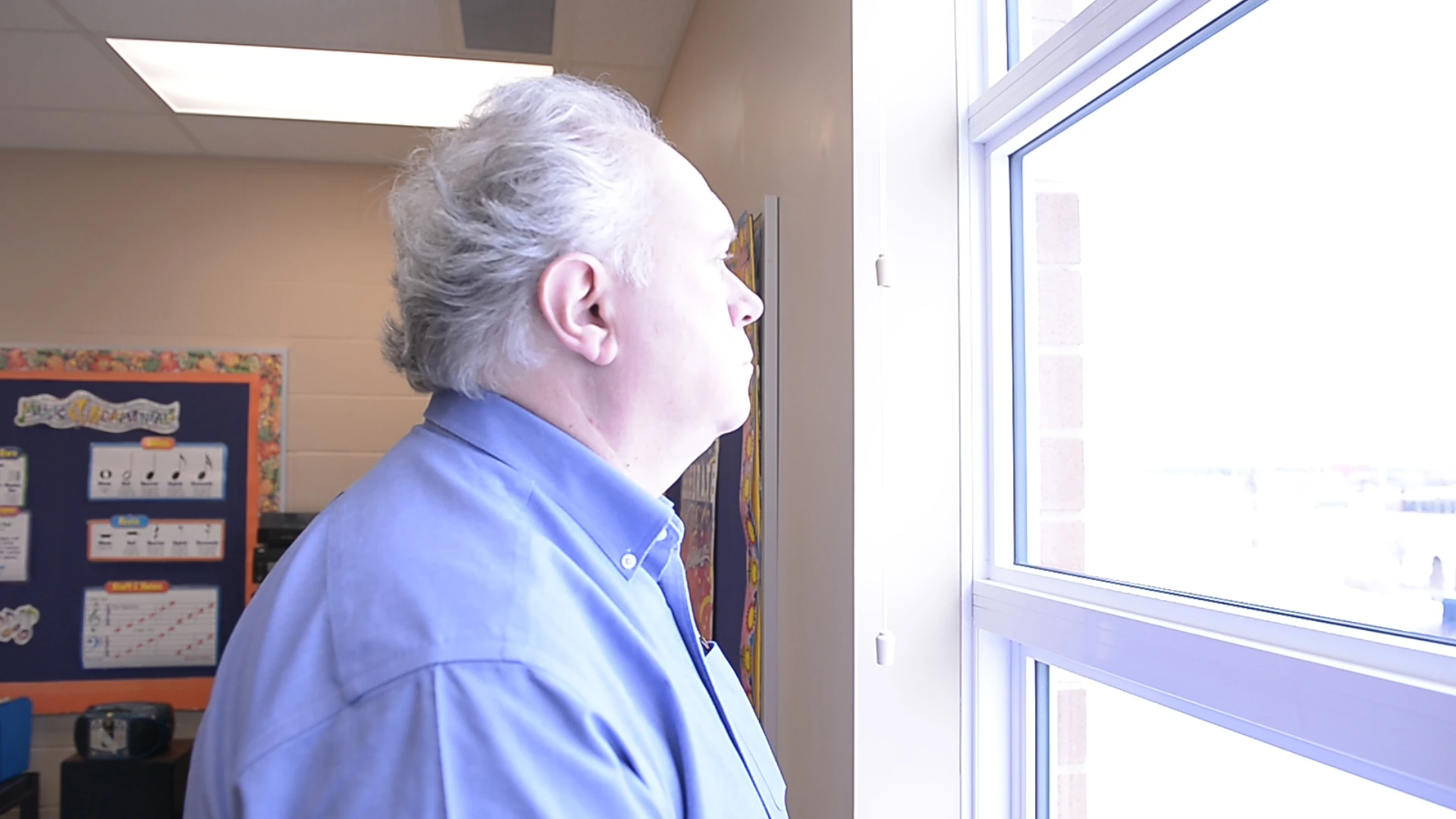
The film opens on a teacher at the front of a class of ten, doing what teachers do. Vehicle crashes, car seats, helmets, the pointer on the board, and a class barely listening. One girl won't stop giggling with her friend. One boy is texting under his desk. Another is drawing in his notebook.
Then the ten kids are nine teenagers, and one of them doesn't come back.
The ones who are left look at their hands and their arms as if they've been handed new bodies. They whisper to each other, counting. The teacher keeps going. Alcohol. Sports injuries. ATV crashes.
The nine become eight seniors. Another seat empty. He turns back to the board and talks about falls — about a fall being the difference between living in your own home and not. And then he says the line the whole film is built toward. We all hate to see anyone disappear.
Class dismissed.
Every number behind it was the county's own. Our emergency rooms saw hundreds of visits for sports injuries and ATV crashes. More than eight hundred seniors came in after a fall, and most of those falls happened at home, in the place they were surest of. We didn't have to invent a story. We had to show where the numbers come from, which is a chair with nobody in it.
One classroom. One day. We shot it in four passes — the teacher alone, then the children, then the teenagers, then the seniors — and dressed each group to match the one before it, so the room read as the same class thirty years on, minus one person each time.
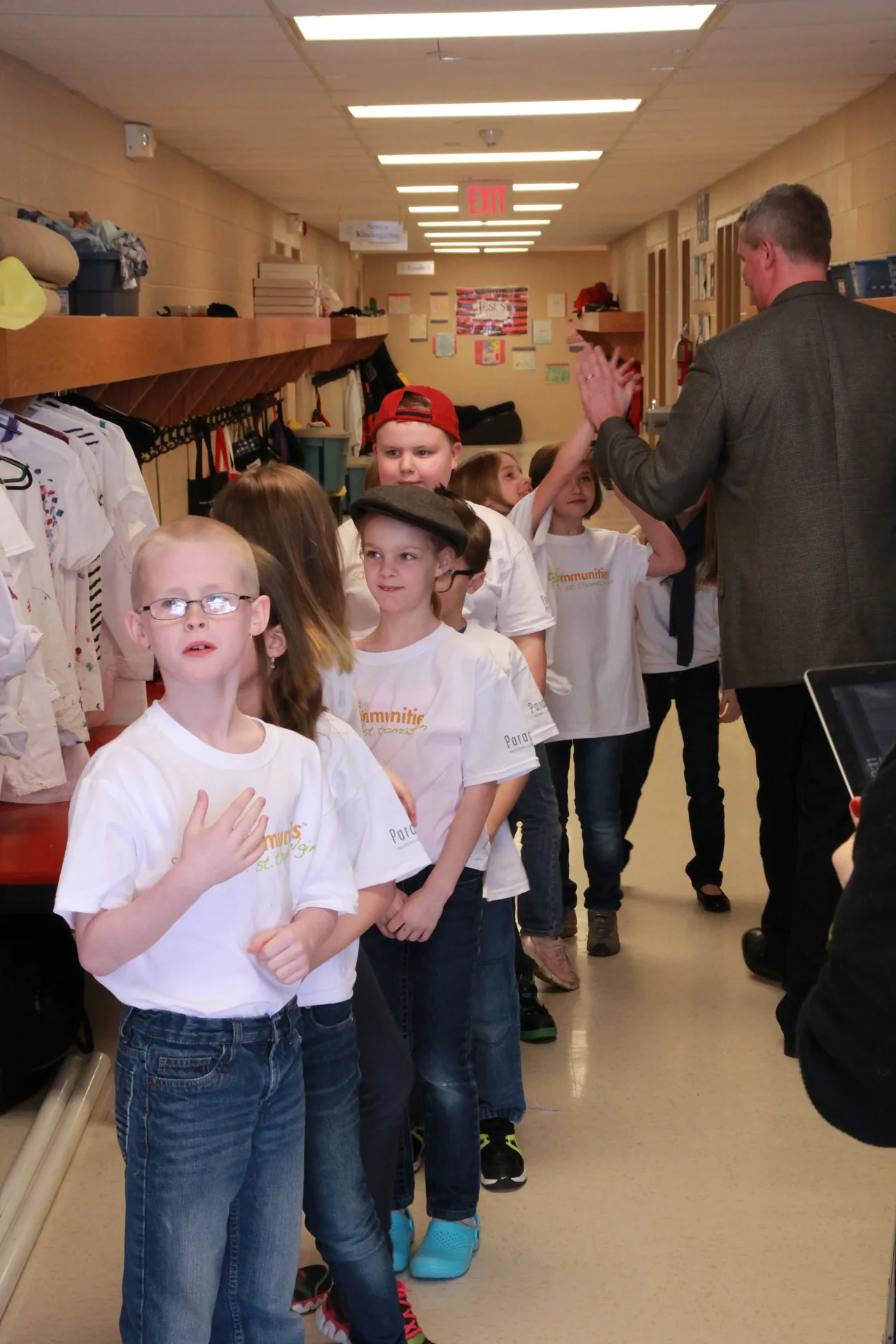
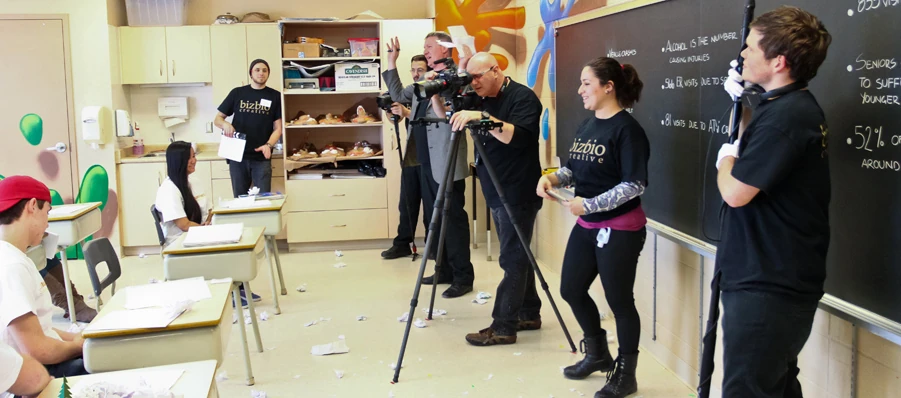
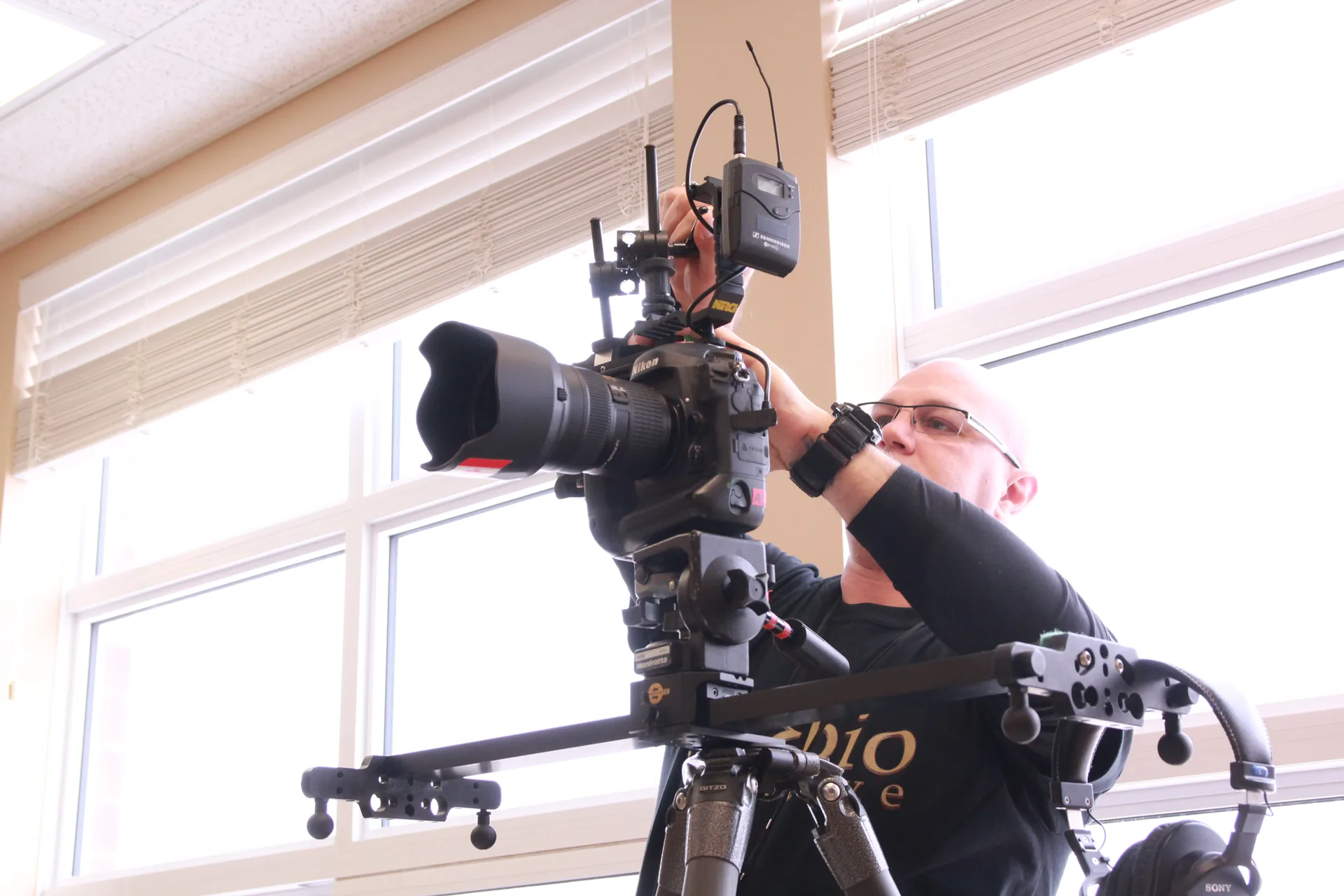
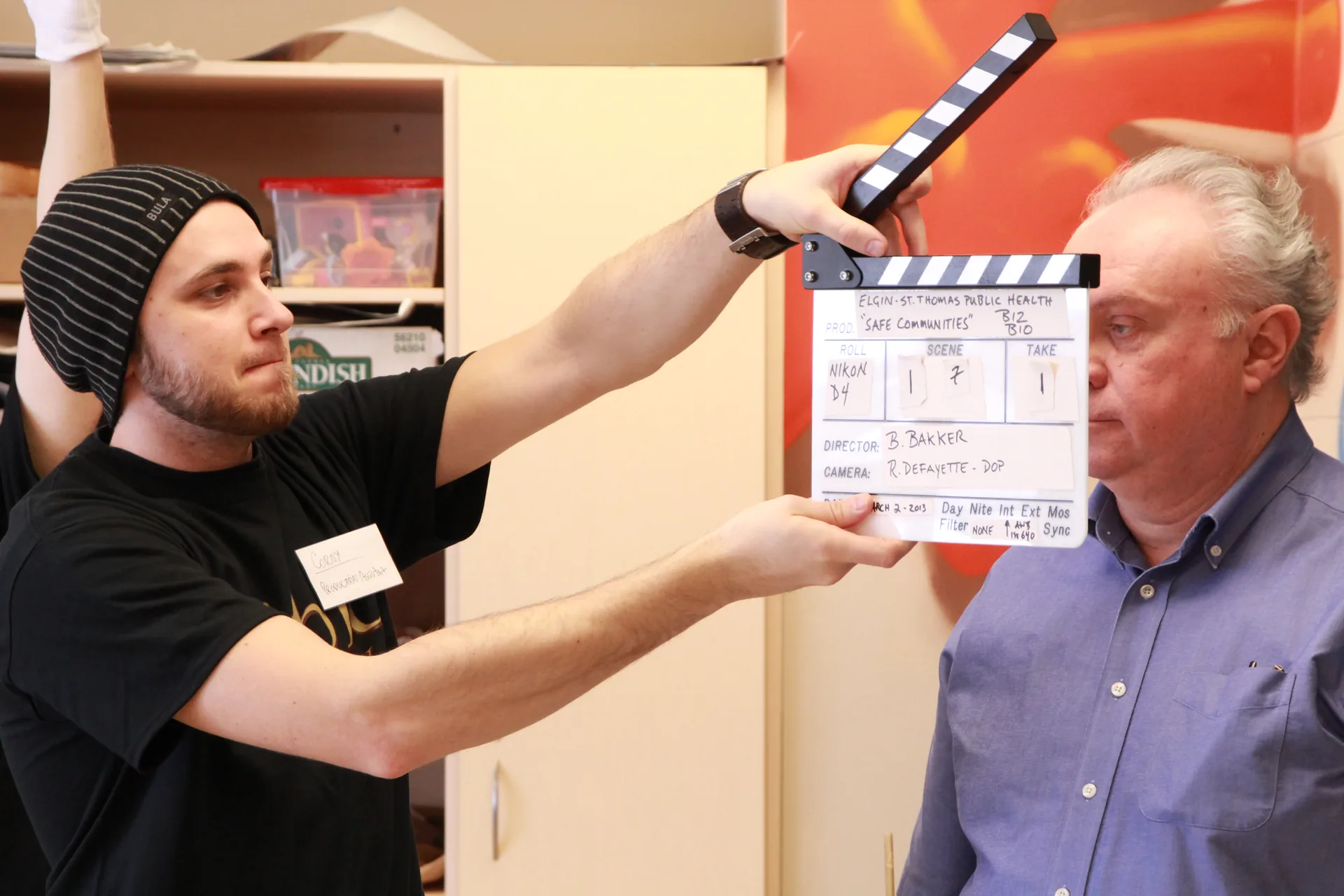
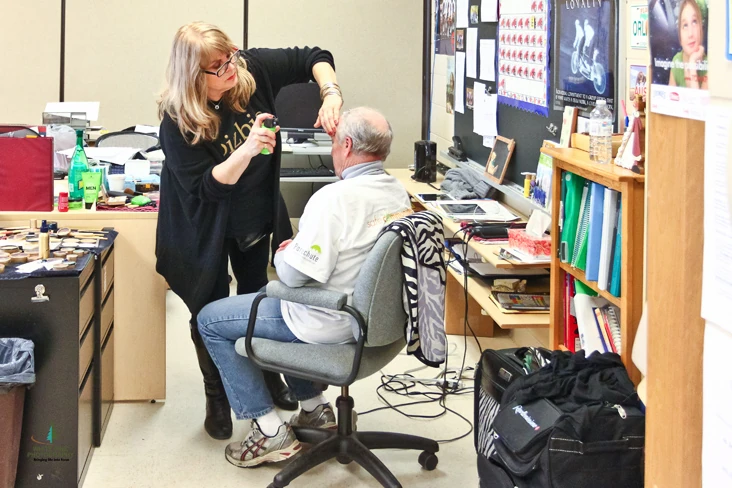
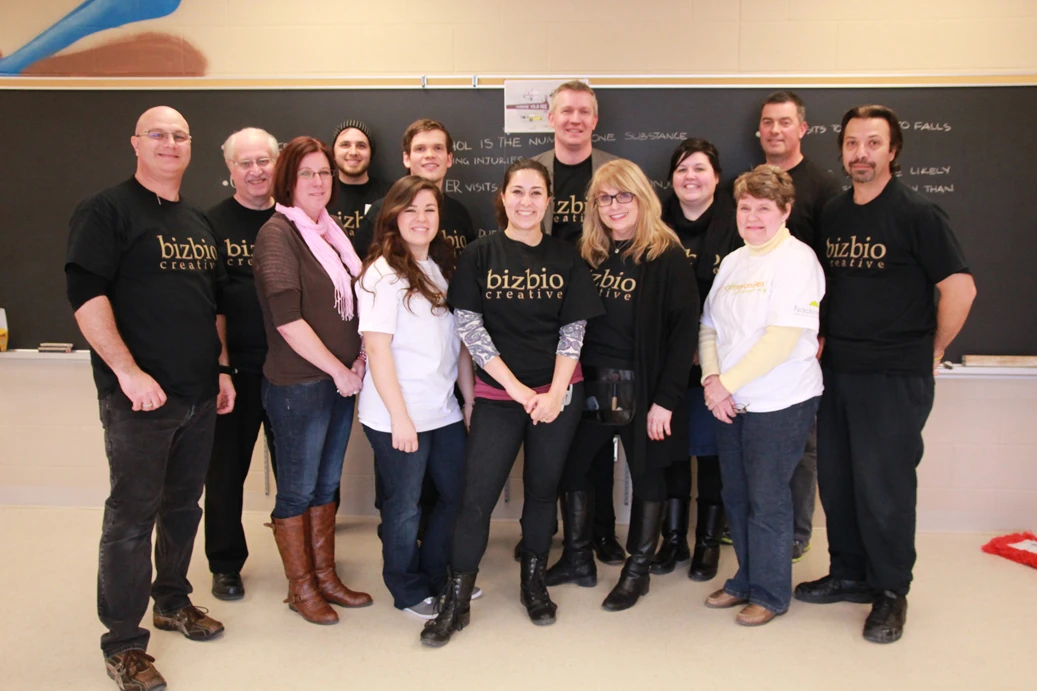
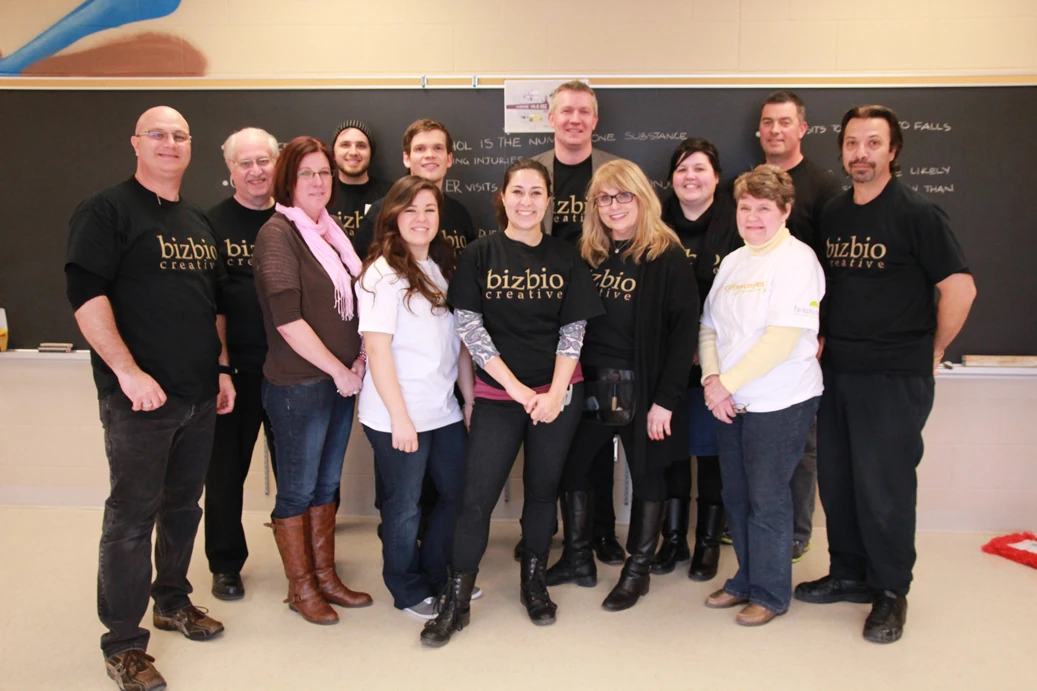
Making that work is less glamorous than it sounds. Ninety-one shots. Nine crew. Roughly thirty volunteers from the community — children in grades three and four, teenagers, and seniors, many of whom had never set foot on a film set. The teacher's dialogue was captured first, in the quiet of the morning, because the rest of the day was never going to be quiet again. Everything after that was arranged around keeping the room matching from one age group to the next.
It is the kind of production that only works if the community shows up. They did — the mayor, local business owners, parents, and a room full of people who came because the message was about their own town.
We have made a great many films since. This one is still the clearest example of what we mean when we say the message decides the method: an idea simple enough to explain in a sentence, and shot in a way that makes it very hard to look away from.
Images