The Tom Zombie Festival
ST. THOMAS AND ELGIN COUNTY, ONTARIO: 2013 – 2015
The first Tom Zombie Festival was 2013. That winter I stood in front of St. Thomas city council and asked them for five thousand dollars, and I told them exactly why I wanted it. The town had been hit hard. Tourism kept getting named as the way back, and nobody could say what the attraction was actually going to be.
St. Thomas and Elgin County, Ontario
I brought them a festival built on a story we already owned. Not a borrowed franchise, not somebody else's characters. A two-hundred-year-old legend that came out of this ground — Tom Flower and Crow Flower, 1803, a murder, a curse, and a town that has been carrying it ever since. The Legend of Tom Zombie is trademarked and copyrighted by Bizbio because we wrote it, and that is what makes the whole project possible. We did not have to licence an attraction. We had to write one.
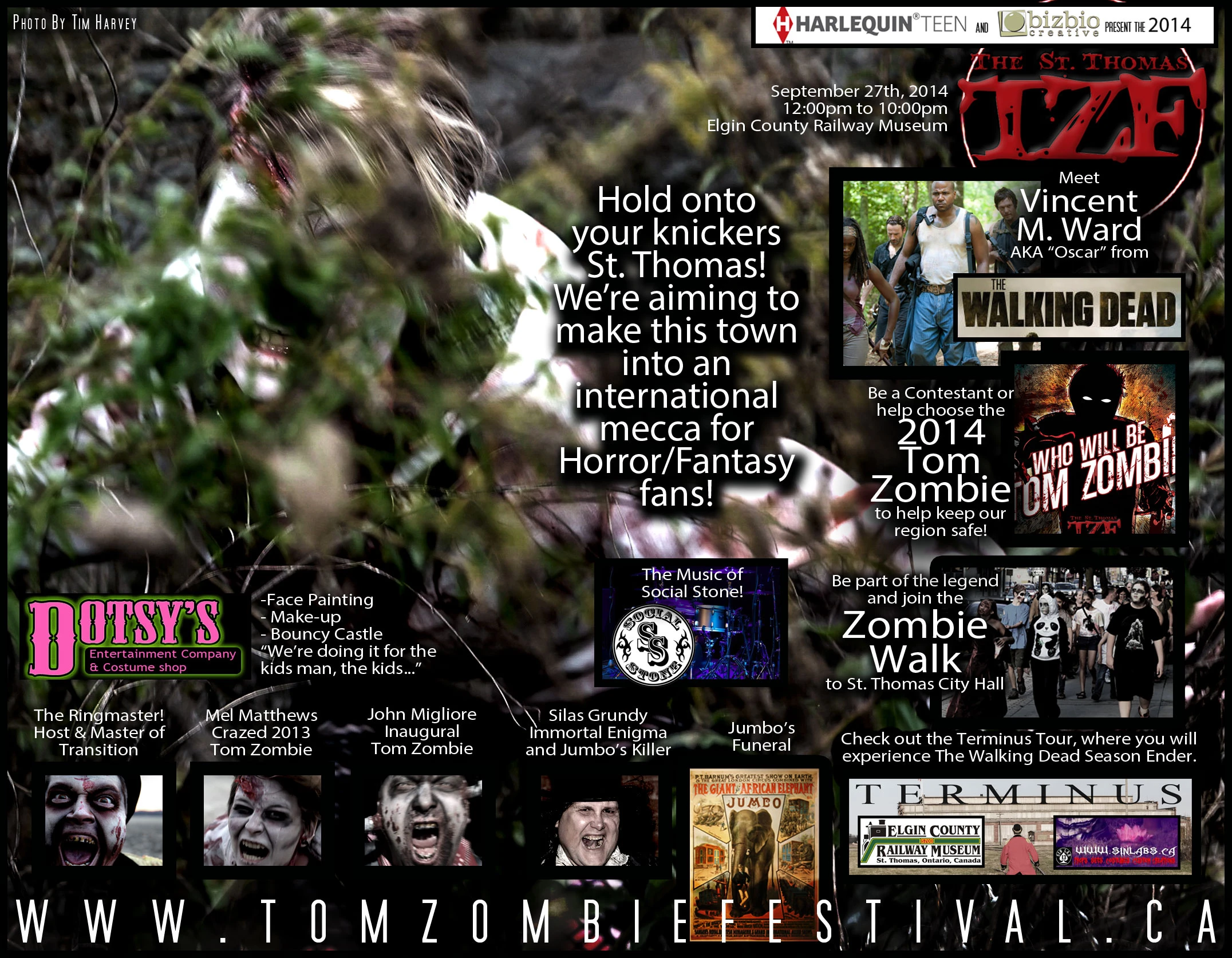
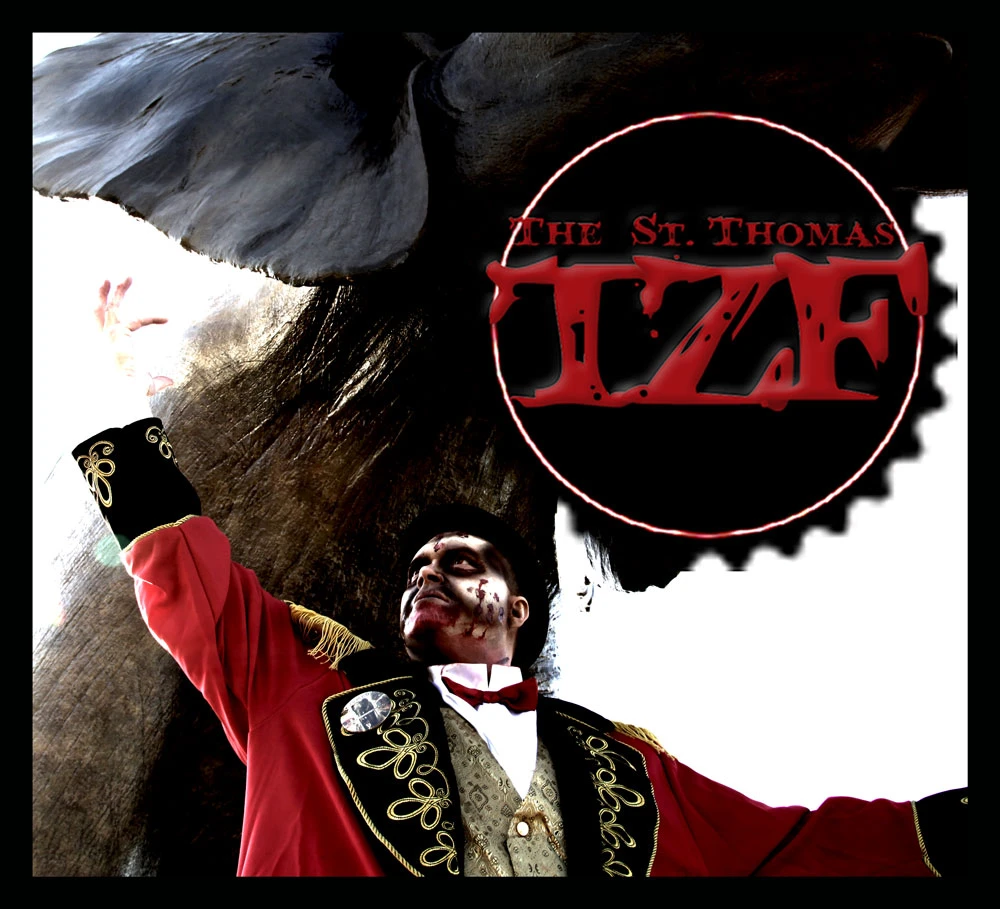
The 2013 festival opened to triple the turnout we had predicted and a pile of press we had not. So we did it again, and again. Sharon Lechner came on as event organizer. We grew the thing into a prom, a Halloween tour, a flashmob, a trail, a contest, a ringmaster. Then we reorganised it as a registered not-for-profit, the Tom Zombie Historical Society, so it could outlive any one person's enthusiasm.
Here is what I always come back to, and it is the argument for the whole idea. One festival does a great many jobs at once.
It rents and celebrates local heritage landmarks — the events happen inside buildings that already exist here, and the festival gives people a reason to keep them standing.
It teaches local history. People come for the zombies and leave knowing something about their own county, because the legend is stitched into real events.
It brings money into the region — hotels, restaurants, coffee shops, retail — and pulls visitors in from outside the area.
It pays local artists, actors, musicians and writers, and the Tom Zombie material is there for them to make new work with.
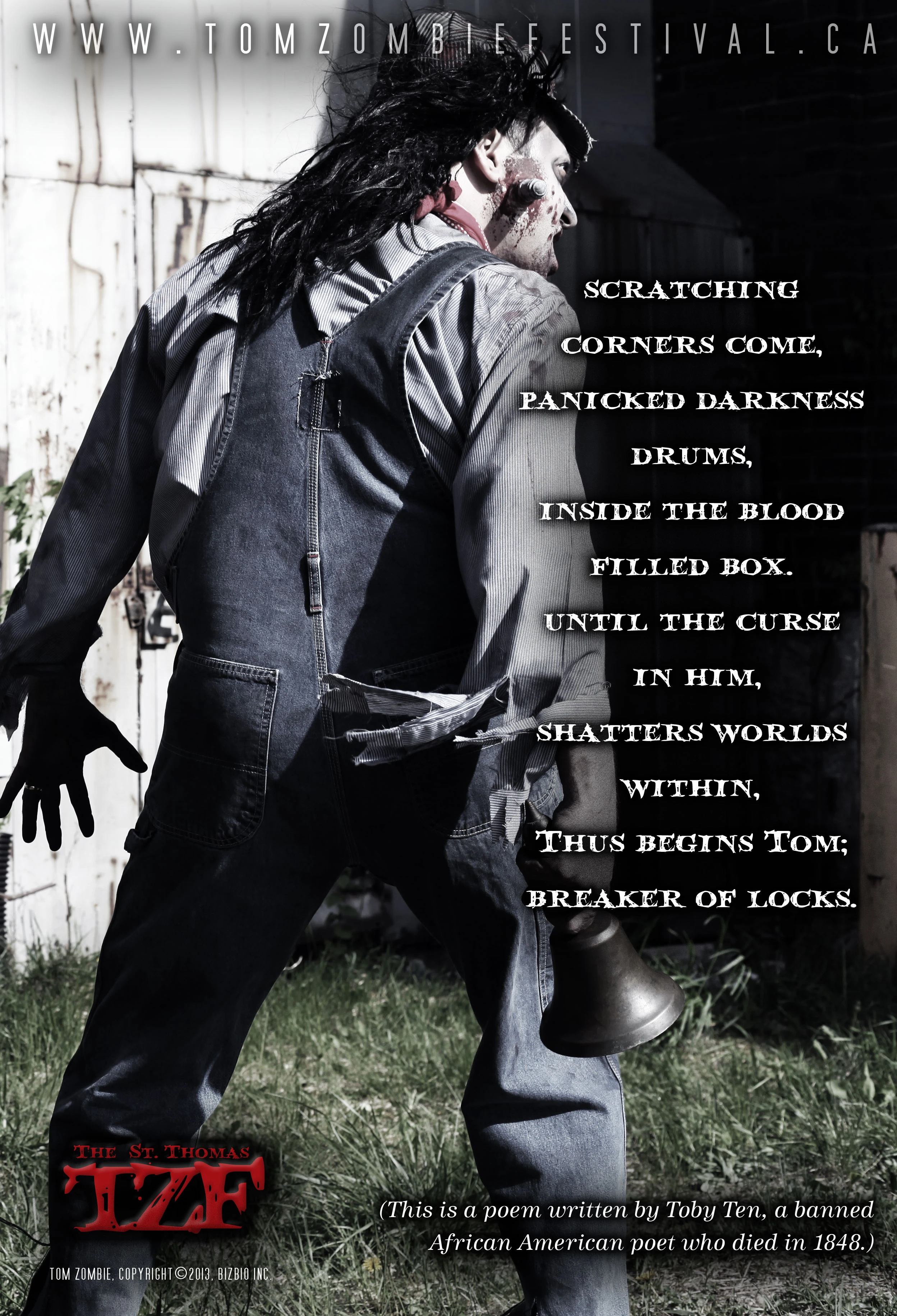
It holds up the people who actually built this place. The legend has indigenous and Black history at its centre, including a poem by a banned African American poet who died in 1848.
And it takes the horror and fantasy genre seriously, which is a real audience and a willing one.
That is a lot of outcomes from one weekend, and it is why I kept at it. It is also why the model was worth building once and can be built again.
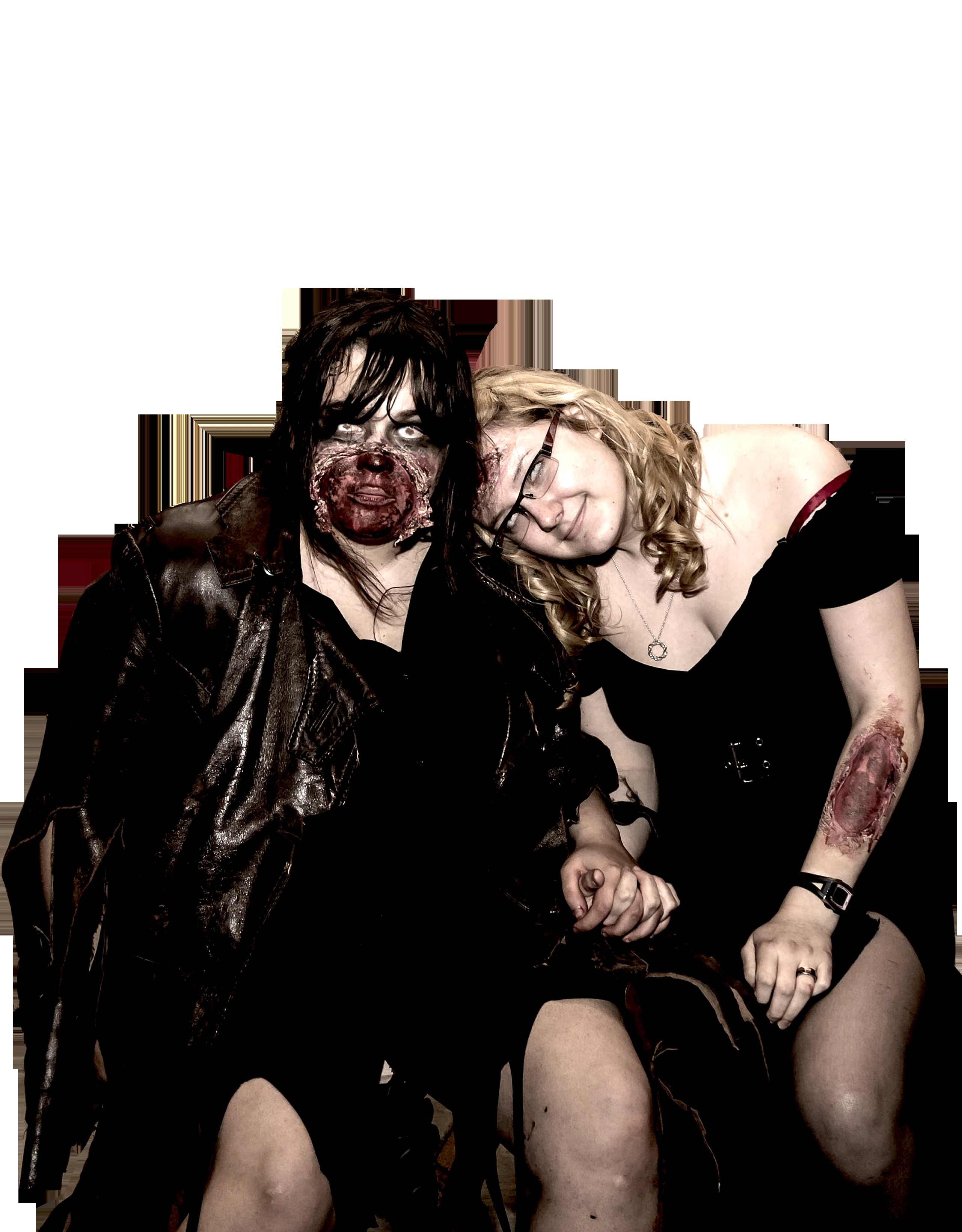
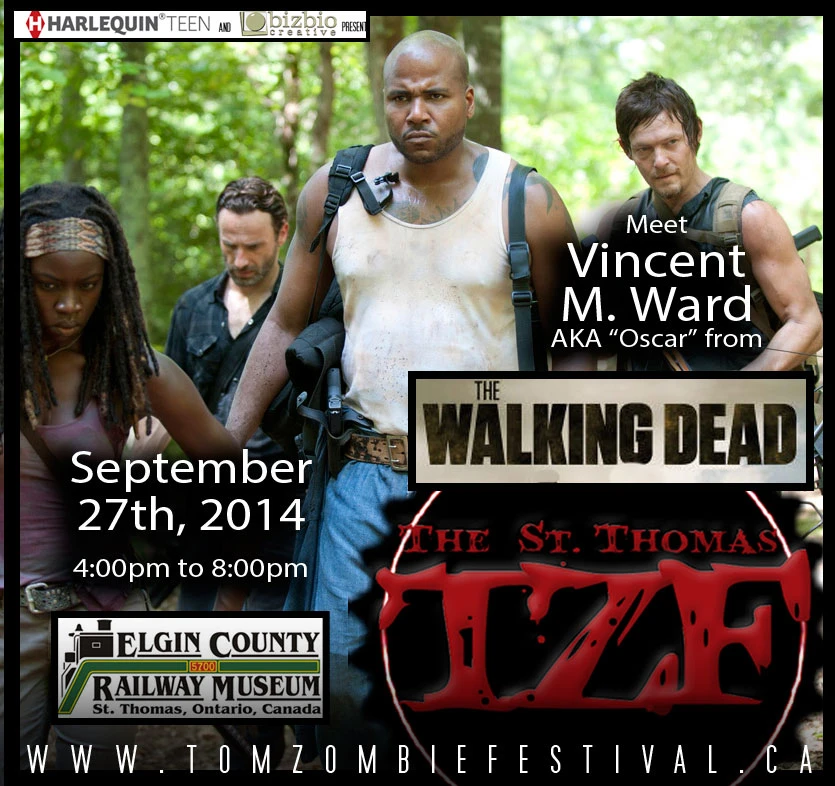
The other thing worth saying is how much of it we made ourselves. The festival had no outside agency behind it. We wrote the legend, built the site, designed the posters and the programme, shot the trailers, produced the prom and the tours, and put four photographers on the festival days — myself, Tim Harvey, Martin Stewart and Rene Defayette, with Tony Bondi on the later material. Every frame of the festival that exists, we made or we commissioned.
What the festival gave us as a studio is harder to see but it is just as real. Three festival years. A prom. A Halloween tour. A flashmob. A contest. A ringmaster. A screen treatment. Hours of footage, hundreds of photographs, a whole graphic identity, and a brand we own outright. It made us the studio that can invent an attraction and then run it — not only the one that shows up with a camera and films whatever is already happening.
CREATOR / PRODUCER · BRYAN BAKKER